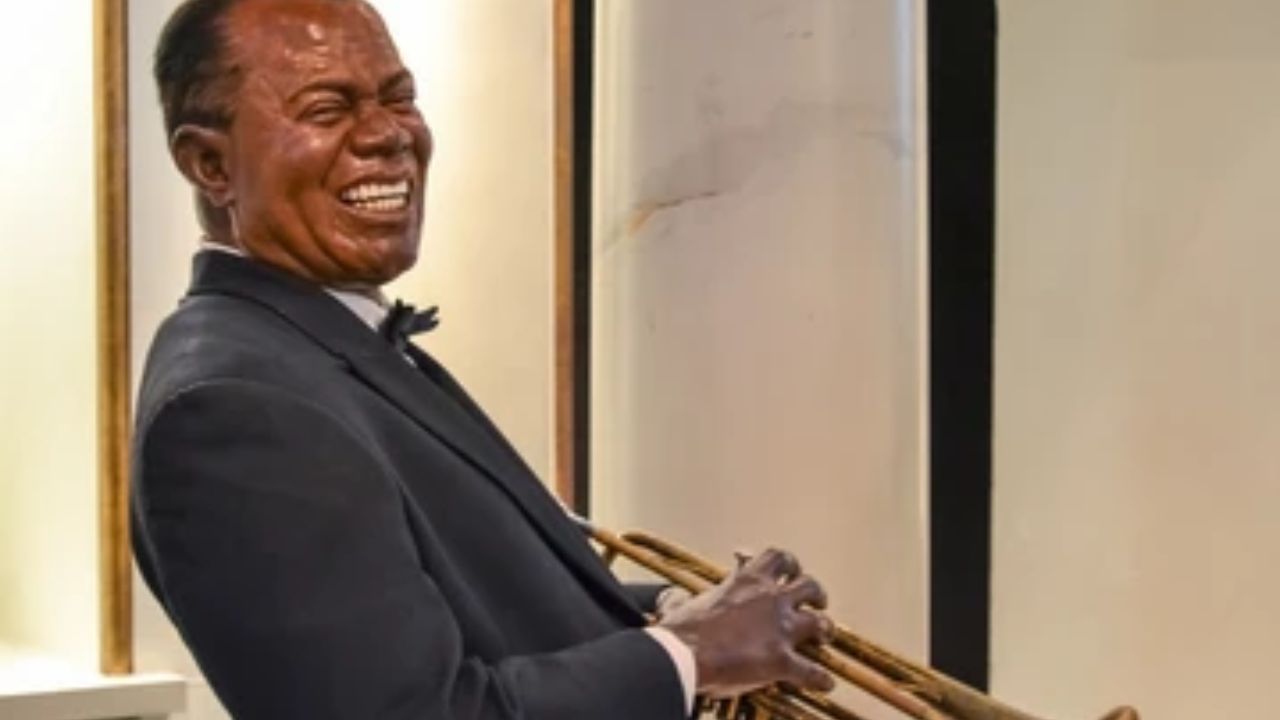
New Orleans jazz musicians profoundly influenced New York City’s musical landscape during the early twentieth century. Among them, Louis Armstrong, a legendary trumpet player, left an enduring mark on jazz culture.
He brought technical mastery, innovative improvisation, and charisma that inspired countless musicians and audiences alike. New York’s thriving club scene and Harlem Renaissance created fertile ground for Armstrong and his peers to expand jazz’s reach. At Big Apple Jazz, guided tours and live performances highlight these historic musicians, connecting visitors to the venues and neighborhoods where their sound thrived.
The Early New Orleans Influence on NYC Jazz
New Orleans exerted tremendous influence on NYC jazz. It all began in 1917, with the shutdown of Storyville. The closure of this New Orleans’ red-light district led musicians to seek work elsewhere. So, many reputed figures headed to Chicago and New York.
The first jazz recordings were by the Original Dixieland Jass Band. ODJB made these recordings in NYC in 1917. They introduced the sound across the nation. This, in turn, paved the way for other musicians. Music then travelled up the Mississippi on riverboats. NOLA bands performed in NYC vaudeville circuits. Thus, they exposed eastern audiences to a novel sound.
Key Elements of the Influence
Collective Improvisation
The New Orleans style had a characteristic simultaneous melodic improvisation by varied instruments. These included clarinet, trumpet and trombone. This created a rich, polyphonic texture. Audiences were mesmerized by this sound.
Rhythm & Feel
Early jazz brought a danceable, energetic feel. This was because its roots lay in spirituals, blues, and Caribbean rhythms. The feeling was infectious. It was very different from NYC’s current musical scene.
Instrumentation
The main sound of the instruments became the foundation for early jazz musicians.
Louis Armstrong: Revolutionizing Jazz with the Trumpet
Louis Armstrong moved the focus from collective improvisation. He emphasized the individual soloist. Thus, he changed the trumpet into a strong, expressive voice. This voice was brought on by dazzling technique and unique sounds. Sounds like growls and screams were not heard of before in jazz. Other things that characterized the music were rhythmic innovation and emotional depth. All of this converted jazz into personal storytelling. Armstrong created the structure for jazz soloists.
Louis Armstrong shifted jazz toward the individual solo through specific songs, forms, and playing habits. His Hot Five and Hot Seven recordings set a new model for jazz structure. Songs like “West End Blues,” “Potato Head Blues,” and “Weather Bird” placed the solo at the center. These recordings opened with composed introductions, followed by clear solo sections. Each solo told a complete musical story with a beginning, middle, and strong ending.
Armstrong also shaped the chorus-based solo tradition that jazz still follows today. He improvised full choruses over song forms like the 12-bar blues and 32-bar song form. This approach gave musicians a clear framework for expression and development. His use of rhythmic placement, especially behind or ahead of the beat, created swing.
He also established traditions that became standard in jazz performance. Armstrong treated the trumpet as a lead voice, similar to a singer. He used call-and-response phrasing, clear motifs, and repeated ideas for cohesion. These methods became the foundation for modern jazz solo structure and storytelling.
Armstrong’s Innovation With the Trumpet
The Rise of the Soloist
Before Armstrong, jazz was mostly played by groups. He made solo acts central to the music. The trumpet was a key instrument of individual expression.
Virtuosic Technique and Range
Armstrong built a remarkable technical facility. He used a wide, expressive vibrato. Armstrong also used high notes and had a fluid style. Thus, he moved beyond mere melodic ideas.
Unique Sonic Palette
Armstrong explored unique sounds. He did not shy away from incorporating sounds that could have sounded strange to the audience at the time. The musician integrated purrs, screams and growls. Thus, he gave his trumpet an emotional voice.
Rhythmic Innovation (Swing)
Armstrong infused jazz with a swinging rhythmic momentum. This moved it from a rigid 2/4 beat to a smoother, compelling 4/4.
Harmonic Sophistication
Armstrong used ornamentation, chromaticism and complex chordal implications. All of this led to the development of nuanced melodies.
Harlem Renaissance and the Expansion of Jazz
The cultural landscape of music, literature and art was completely changed, when the Harlem Renaissance took hold in the 1920s. Coming from New Orleans, jazz musicians found a receptive audience yearning for something new and more meaningful. Clubs such as the Cotton Club and the Savoy Ballroom gave Louis Armstrong and his fellow artists the space to experiment with innovative forms and improvisations.
These were not just entertainment venues but hubs for cultural identity and social progress. Jazz became a tool of self-expression, pride, and protest. Armstrong’s captivating performances inspired numerous musicians to explore the trumpet as a tool of emotional storytelling.
He changed the jazz scene endlessly, and his improvisations have set an untold number of performers on their way. Coming dashing from the scene, these musicians would team up with dancers, poets and visual artists to create immersive cultural experiences and a new era was marked by New York’s recognition as the world’s jazz capital.
A blending of New Orleans roots and Harlem flair brought about the timelessness of jazz standards. Young trumpet players studied Armstrong’s phrasing, tone and improvisations to create their own unmistakable sound and the renaissance left a reminder that jazz is so much more than just music, it’s a declaration of who you are, your intellect and the strength of your culture.
Key New Orleans Musicians Who Influenced NYC
Jazz wasn’t shaped by Armstrong alone. Along with him, musicians like King Oliver, Bubber Miley, and Johnny Dodds followed the path to the north and brought with them the New Orleans style.
King Oliver’s cornet style had a strong impact on the way Armstrong used to start, as it gave more emphasis to tone and phrasing. By muting the trumpet, Bubber Miley was able to create exotic sounds that were characteristic of the “jungle sound”, which was very typical of Harlem clubs.
Clarinetist Johnny Dodds was the one who brought the lyrical side to the ensemble with melodies that were heavily influenced by the blues, and which perfectly complemented the brass instruments.
Those musicians first of all were the ones who introduced jazz idioms such as syncopated rhythms, call-and-response techniques, and collective improvisation. They kept the legacy alive by teaching, performing, and making records that they recorded in studios all over New York. Together, this crew of musicians was the vehicle that carried the local style of New Orleans all the way to the highly developed urban New York jazz.
Indeed, their influence was not limited to the stage. They coached younger players and thus had an impact on the up-and-coming jazz musicians’ trumpet players. Historic jam sessions were the first places where, for the sake of harmonic innovation, rhythmic complexity, and ensemble cohesion, musicians experimented. The hardships they had shared in New York helped NOLA musicians to keep the original jazz spirit in life and further develop it.
Impact on Modern Jazz Trumpet Techniques
Louis Armstrong’s legacy shaped modern jazz musicians’ trumpet technique profoundly.
His use of vibrato, phrasing, and melodic storytelling is studied by modern trumpeters.
Armstrong continues to set the standard for his ability to blend technical mastery with emotional nuance. Armstrong blended technical mastery with emotional nuance through phrasing, tone, and timing. He used vibrato to shape feeling, making notes sound warm, playful, or deeply reflective. In songs like “West End Blues” and “St. Louis Blues,” he bent notes slightly for expression. He often left space between phrases, letting emotion settle before the next idea arrived. His solos followed vocal patterns, rising and falling like spoken language, not exercises.
Armstrong and his New Orleans contemporaries are credited with developing techniques like expressive dynamics, rapid arpeggios, and extended range.
His influence can be heard in modern jazz, hard bop, and bebop. Inspired by Armstrong’s recordings, contemporary artists incorporate improvisation, harmonic exploration, and tone control. During lessons and live performances, trumpet students still imitate his articulation and rhythmic phrasing.
Armstrong’s strategy prioritized uniqueness over imitation. While honoring their historical roots, each musician finds their own voice. Jazz clubs, conservatories, and private lessons in New York all adhere to this philosophy. The trumpet will always be essential to jazz expression thanks to the continuous study of his compositions.
Experiencing Armstrong’s Legacy in NYC Today
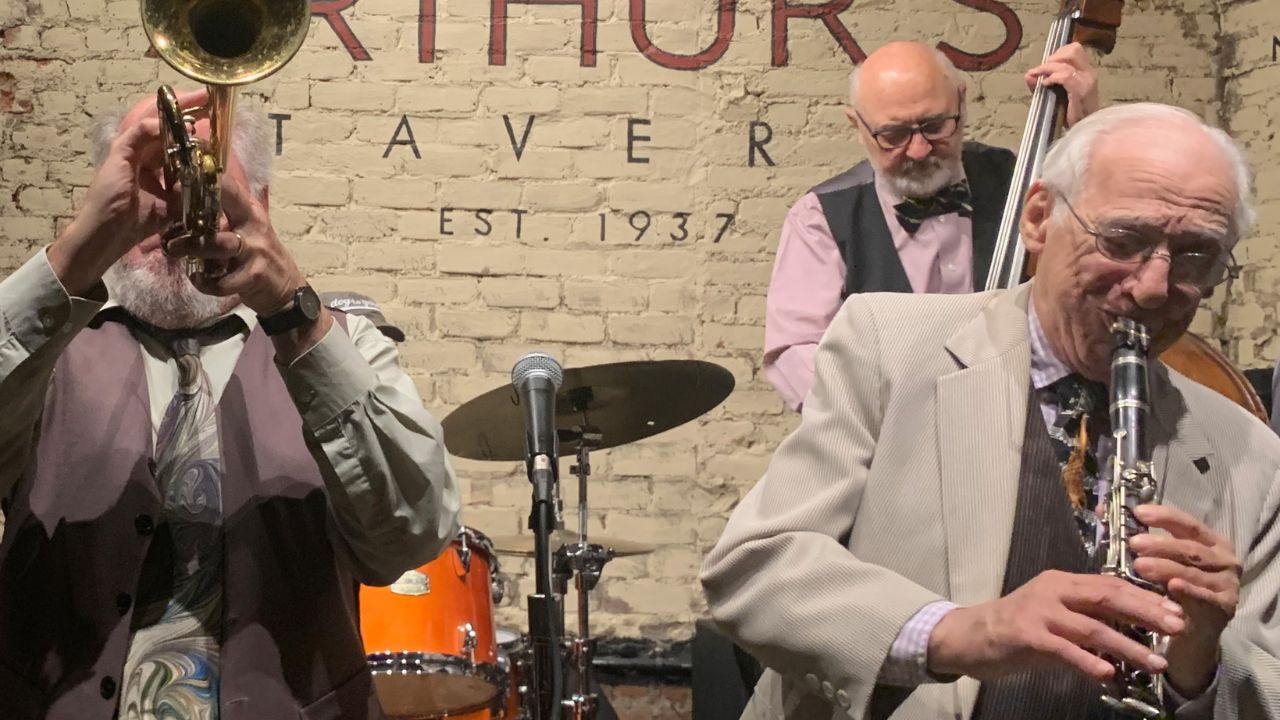
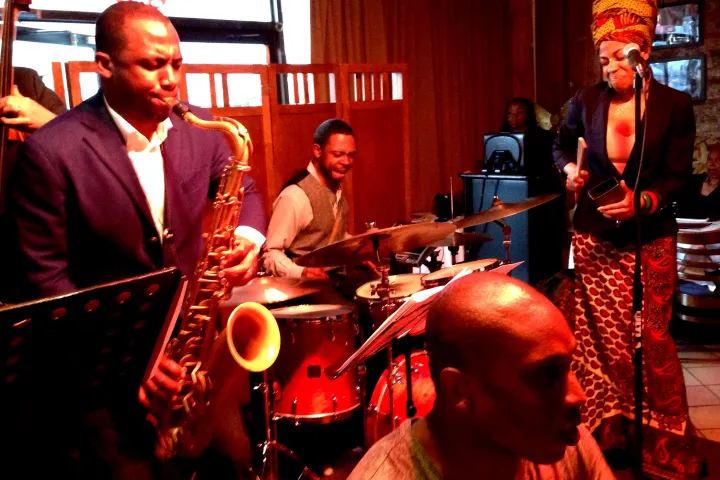
New York offers a living tribute to Armstrong’s influence. Clubs in Harlem and Greenwich Village are still playing the style of jazz that originated in New Orleans. Places like Smalls, Blue Note, and Apollo Theater feature bands that embody the spirit of the past and bring it to the present.
Jazz walking tours through Big Apple Jazz serve the fans to discover the historic places where Louis Armstrong performed and lived. People can experience the improvisation, energy, and emotion, which are the elements to the early New York jazz, directly from the artists. These outings provide the link between the roots of jazz in New Orleans and the innovations in New York.
The city’s music education programs are training young jazz musicians to become trumpet players and to learn Armstrong’s techniques. Through live performances, workshops, and museum exhibits, the memory of these times stays alive and is open to everyone.
Louis Armstrong’s Cultural and Social Influence
The artistic revival of African American culture in the 1920s and the 30s owes much to Armstrong. As an African American artist, he achieved remarkable success. He made the most out of his popularity among all races. Armstrong challenged stereotypes and segregation, something that was so prevalent at the time.
Armstrong was truly the early voice of the civil rights movement. He spoke out against the Little Rock Nine and used his platform to advocate for equality. Armstrong knew that doing so could pose a risk to his career. Still, he went ahead with what he felt was right for his community. Armstrong was also a cultural ambassador. He undertook U.S State Department tours during the Cold War.
Continuing the Tradition: Modern NYC Jazz Trumpeters
Contemporary jazz musicians’ trumpet players draw on Armstrong’s innovations.
Artists like Wynton Marsalis, Terence Blanchard, and Nicholas Payton honor his phrasing and tone. They integrate modern harmony, rhythm, and improvisational complexity while respecting historical roots.
New York clubs, recording studios, and jazz schools provide venues for live experimentation. Workshops and festivals ensure that new generations continue studying Armstrong’s recordings. Young musicians develop techniques in articulation, improvisation, and ensemble communication. The living tradition of New Orleans influence thrives in Manhattan, Brooklyn, and Harlem venues. Armstrong’s legacy remains a benchmark for excellence, creativity, and expressive freedom.
FAQs
Q1: Who were the most influential New Orleans jazz musicians in NYC?
Louis Armstrong, King Oliver, Bubber Miley, and Johnny Dodds led the migration north.
Q2: How did Louis Armstrong change jazz trumpet playing?
Armstrong introduced expressive phrasing, improvisation, and technical mastery to jazz trumpet.
Q3: Where can I hear Armstrong-style jazz in New York today?
Certain Harlem clubs, Greenwich Village venues, and guided tours by Big Apple Jazz feature his style.
Q4: Why is New Orleans jazz important to NYC jazz history?
It provided the melodic, rhythmic, and improvisational foundations for New York’s jazz evolution.