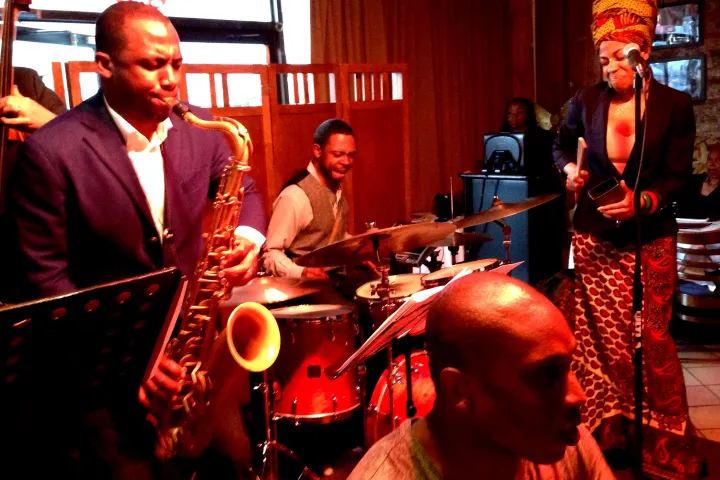
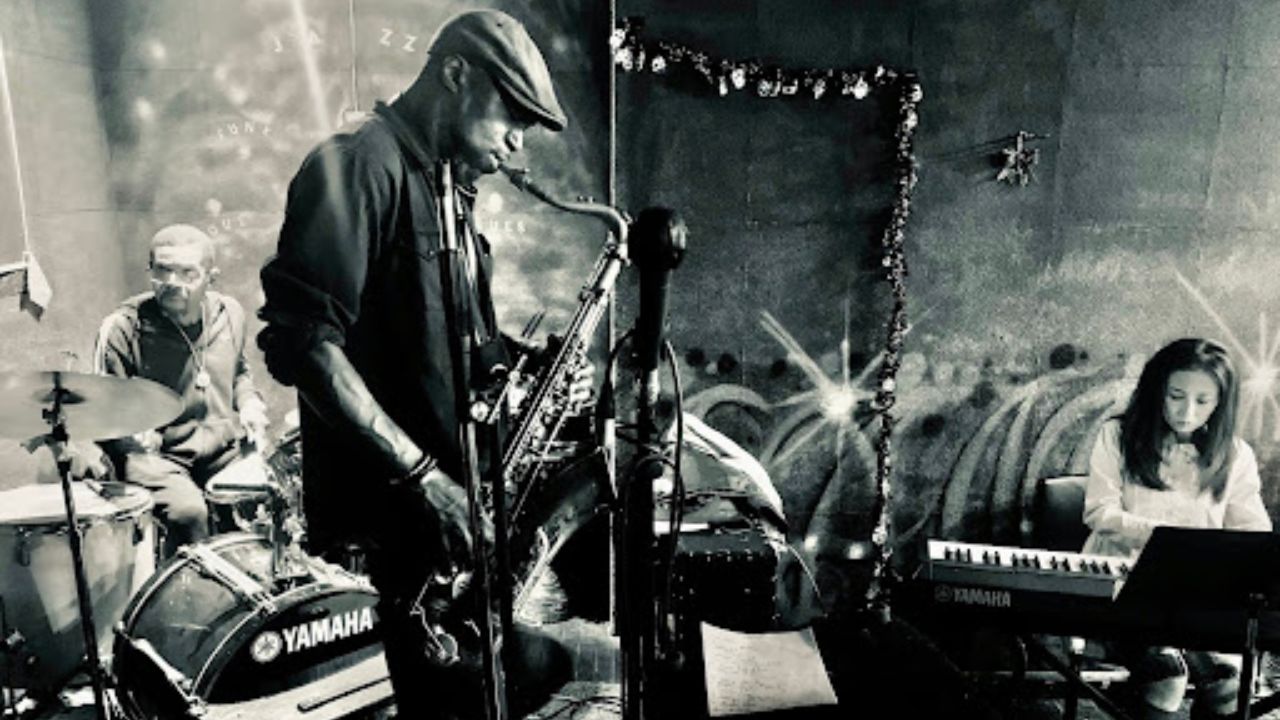
Jazz in Harlem brownstones is one of the most local jazz experiences in New York City. Jazz events here are often privately organized and informal.
These performances happen inside real Harlem homes. They take place on quiet residential blocks, often just steps from streets like Lenox Avenue, Adam Clayton Powell Jr. Boulevard, or St. Nicholas Avenue. There are no neon signs. No ticket booths. Just a door, a bell, and live music inside.
This is jazz as Harlem has always known it. Personal. Close. Unrushed.
What Harlem Brownstones Are and Why They Matter
Harlem brownstones are historic townhouses built mostly between the late 1800s and early 1900s. Many sit on tree-lined streets in Central Harlem, Hamilton Heights, and Sugar Hill.
These homes were built for families, not performances. But their design makes them perfect for music.
They usually include:
- Long front parlors
- High plaster ceilings
- Wood floors that carry sound
- Narrow rooms that keep listeners close
Because of this, jazz sounds natural inside them. Instruments do not need amplification in many intimate brownstone jazz settings. This allows listeners to hear the sounds naturally.
How Jazz Became Part of Harlem Homes
Jazz has deep roots in Harlem homes.
During the early 20th century, Harlem was filled with musicians arriving from the South and the Caribbean. Many lived in shared apartments or brownstones. Music spilled into living rooms, kitchens, and front parlors.
These spaces became places to:
- Practice late into the night
- Write new arrangements
- Play for friends and neighbors
Brownstones allowed musicians to play freely. There were fewer restrictions than in clubs. No managers. No set lists. Just music.
This freedom helped jazz grow.
Harlem Renaissance Roots of Brownstone Jazz
Harlem brownstone jazz grew during a time when Harlem was changing fast and culture filled the streets.
In the 1920s and 1930s, Harlem became the center of Black artistic life in America. Writers, painters, dancers, and musicians all lived within a few blocks of one another. This period became known as the Harlem Renaissance.
Music played a central role. Jazz was not just entertainment. It was a way to speak, gather, and survive.
Brownstones During the Golden Age
Many Harlem brownstones were used as private gathering spaces. Some hosted rent parties. Others quietly became speakeasies during Prohibition.
Rent parties helped residents pay high housing costs. A piano or small band would play in the parlor. Guests paid a small fee at the door. Food and drinks were shared.
These events were social, but also serious. Musicians tested new ideas. Dancers responded in real time. The room decided what worked.
Because these events happened inside homes, the music felt close. No stage separated players and listeners. Everyone shared the same space.
This format shaped how jazz developed in Harlem.
The Cotton Club and Duke Ellington’s Era
While brownstones hosted private music, Harlem also supported large venues. The Cotton Club became one of the most famous.
Duke Ellington led the house band there during the late 1920s – early 1930s. His orchestra refined a polished sound that reached national radio audiences. Ellington’s work helped bring Harlem jazz to the wider world.
At the same time, the Cotton Club reflected the limits of this era. It featured Black performers but catered to white audiences. Many Harlem residents experienced jazz elsewhere. It’s important to mention here that today’s recently shuttered Cotton Club was a modern venue. It should not be confused with the historic Harlem landmark.
That contrast mattered. Public clubs showed jazz to the world. Brownstones kept jazz rooted in the neighborhood.
The Savoy Ballroom and Community Energy
The Savoy Ballroom offered a different model. It welcomed Black and white dancers from all backgrounds. Music and movement mixed freely.
Bands played for hours. The floor stayed full. Improvisation thrived.
The Savoy showed how jazz belonged to the people. It was not reserved for elites. Anyone could enter, listen, and respond.
This same idea lived inside Harlem brownstones. Jazz was shared, not performed at a distance.
Why Brownstones Became Jazz Spaces
Harlem brownstones worked well for music for several reasons.
They had large front rooms. High ceilings helped sound travel. Wood floors added warmth.
Many homes also included parlors designed for gatherings. That design made them ideal for small groups and live music.
Just as important was privacy. During Prohibition, private homes offered safety. Music could continue without police attention.
Over time, these spaces became trusted places for creativity.
Jazz as a Democratic Art Form
Brownstone jazz mattered because it connected people.
Wealthy residents and working families shared the same rooms. Musicians played for neighbors, not critics. The audience influenced the music directly.
This made jazz feel alive and personal. Success came from connection, not approval. That spirit helped jazz survive change.
From the Past to the Present
After the Harlem Renaissance, many public venues closed. Neighborhoods shifted. The music scenes moved.
But brownstone jazz never fully disappeared.
It adapted to the environment. Homes continued to host small concerts. Listeners passed information quietly.
Today’s Harlem brownstone jazz reflects that history. The format stays simple. The focus stays on sound and attention.
Musicians still play close to the audience. Listeners still sit a few feet away. The experience remains intimate.
The setting has changed. The purpose has not.
Harlem brownstones continue to protect a form of jazz that values presence over spectacle. That connection between past and present is what makes the experience feel rare.
Well-Known Harlem Brownstone Jazz Spaces
Harlem brownstone jazz lives in a small number of real homes where music has been welcomed for years. These places are known to musicians and neighbors who care about the culture. They do not advertise loudly. Most people find them through trust and time.
From the street, these homes look ordinary. Inside, they hold some of the most meaningful jazz experiences in New York.
Bill’s Place (West Harlem)
Bill’s Place sits on a quiet block near St. Nicholas Park. There is no sign outside. No ticket booth. It looks like a regular Harlem brownstone, because it is one.
Once inside, the room feels close and calm. The audience sits only a few feet from the musicians. Most nights, there is no amplification. You hear breath, fingers, and timing. Nothing is hidden.
The music leans toward swing, hard bop, and straight-ahead jazz. Small groups are common. Talking fades once the first tune begins. People come here to listen.
The Man Behind Bill’s Place
Bill’s Place exists because of Bill Saxton. He grew up in Harlem and spent years studying its jazz history. Opening his home was his way of protecting that legacy.
Saxton believes jazz should stay connected to the neighborhood that shaped it. Not separated behind velvet ropes. Not rushed through loud rooms. His goal is simple. Create a space where musicians feel respected and listeners feel present.
He often greets guests himself. He shares short stories about Harlem’s past. These moments help people understand where they are, not just what they are hearing.
Musicians return because the room feels right. The audience listens. The history is felt. That combination is rare.
Harlem Safe House Jazz Parlor
The Harlem Safe House Jazz Parlor is another deeply respected brownstone space. It is guided by trombonist and composer Craig Harris, a major voice in modern jazz.
The Safe House is not built for crowds. It is built for focus. The room stays quiet. The audience stays close. Music unfolds slowly.
Performances often mix jazz with blues, spirituals, and spoken word. Musicians take risks here. They try ideas that might not fit a busy club night.
Craig Harris often introduces the artists. Sometimes he plays. Sometimes he speaks about the music he plays. These moments add meaning without turning the night into a lecture.
The Safe House continues Harlem’s long tradition of art as conversation.
Parlor Jazz at Marjorie Eliot’s (Sugar Hill)
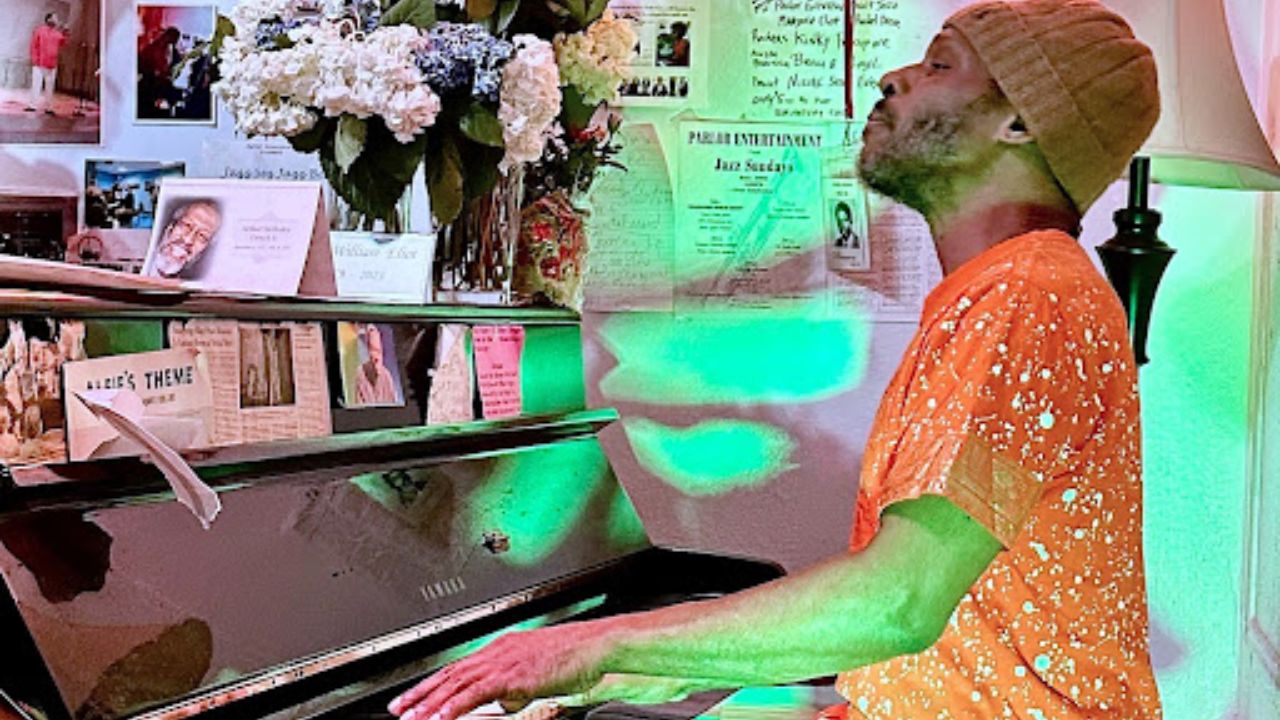
Marjorie Eliot’s Sunday parlor concerts take place inside her Sugar Hill apartment. windows overlook the neighborhood’s hidden yards . Chairs fill the rooms. Silence settles in.
There is no stage. No spotlight. Musicians crowd the far wall.. The music fills the space naturally.
The focus stays on classic jazz forms. Balance matters. Tone matters. Listening matters.
Many musicians return often. Over time, familiar faces become part of the room.
Marjorie Eliot’s 33-Year Jazz Mission
Marjorie Eliot began hosting concerts after losing her son, a jazz musician. She wanted to honor him by keeping the music alive.
For more than three decades, she has opened her home every Sunday. The concerts remain free. That choice is intentional. She believes jazz should be shared, not restricted.
Musicians come because they feel supported. Listeners return because the room feels honest.
Her apartment has become one of Harlem’s quiet cultural anchors. Not because it is famous. Because it never stopped.
Sugar Hill Brownstone Salons
Some brownstone jazz gatherings in Sugar Hill stay almost invisible. Details pass quietly between friends. Hosts share information carefully.
The mood is relaxed but serious. Musicians talk between songs. Stories come up. Laughter too.
The music feels personal. Like being invited into a moment, not a show.
These salons continue Harlem’s tradition of making music at home. Trust matters. Community matters.
Hamilton Heights Brownstone Sessions
Hamilton Heights has also become part of this tradition. Several historic homes host small jazz sessions throughout the year.
These nights feel welcoming. Neighbors sit beside visiting listeners. Musicians play close to the audience.
Styles change from night to night. The setting does not.
A living room replaces the club. Listening replaces noise.
This is how jazz stays rooted in Harlem. Quietly. Honestly. At home.
How Jazz Sounds Inside a Harlem Brownstone
Jazz in a Harlem brownstone sounds different from club jazz.
The rooms are small. Musicians adjust their playing to the space. Drummers use brushes instead of sticks. Bass lines stay soft but steady.
Horn players stand close to listeners. Vocalists sing without forcing their voices. Every detail carries.
Listeners hear:
- Breath between phrases
- Fingers sliding on strings
- Small pauses in rhythm
These details make the music easier to understand and follow.
What a Harlem Brownstone Jazz Night Feels Like
A brownstone jazz night feels calm and focused.
There is no stage. Musicians play at floor level. Chairs are set close together. Sometimes people sit on sofas or window benches.
There is usually a short introduction. Then the music starts.
Phones are put away.
Talking stops.
The room listens.
Breaks are quiet. Conversations are low. People stay present. It feels less like a show and more like being welcomed into someone’s home.
Who Comes to These Harlem Jazz Gatherings
The audience is small and mixed.
Some people live in the neighborhood. Others come from nearby boroughs. A few are visitors who want something local and real.
Most people come for the same reason. They want to hear jazz without distractions.
There is no dress code. No pressure. No performance energy from the crowd. Just attention and respect.
Is Jazz in a Harlem Brownstone Good for First-Time Listeners?
Yes. It is often better than a busy club.
Many first-time jazz listeners struggle in loud rooms. It can be hard to hear the structure of the music. It can feel confusing.
A Harlem brownstone removes that problem.
Listeners can see how musicians communicate. They notice eye contact, head nods, and subtle cues. Improvisation becomes clear instead of mysterious.
Jazz feels human and understandable.
Why These Harlem Jazz Events Feel Hidden
Many Harlem brownstone jazz events stay out of the spotlight on purpose. They are not listed on big ticket sites. They do not run ads. Most people only hear about them through friends, neighbors, or local musicians.
Access can feel tricky at first. Locations sometimes change. Some events require an invite. Others ask guests to join an email list or know someone connected to the host. This is not meant to exclude people. It is meant to protect the space.
Harlem residents value privacy. These homes are part of daily life, not commercial venues. Keeping events small helps maintain trust between hosts, neighbors, and musicians. It also prevents crowds from overwhelming quiet residential blocks.
Word of mouth plays a big role. A musician mentions a show after a gig. A neighbor passes along details quietly. Information spreads slowly, but intentionally. That slow pace keeps the gatherings respectful and personal.
The reward is intimacy. Guests often sit only a few feet from the musicians. Sometimes the band plays in a living room. Sometimes in a parlor or dining space. There is no stage barrier. No loud bar noise. Every note feels close.
This is very different from a typical jazz club. In a 200-person room, listeners compete with chatter and drink orders. In a 40-person brownstone, attention stays on the music. Musicians feel it. Listeners feel it too.
These events also carry a sense of mystery. That feeling connects directly to Harlem’s past. During Prohibition, music thrived in hidden spaces. Rent parties and private gatherings kept jazz alive behind closed doors. Today’s brownstone shows echo that same spirit.
Nothing about these events feels mass-produced. They feel earned. That is why many people remember their first Harlem brownstone jazz night long after the music ends.
The Neighborhood Experience Around Brownstone Jazz
Getting to a brownstone jazz event is part of the experience.
Walking through Harlem at night means passing:
- Historic churches with glowing windows
- Old apartment buildings tied to Harlem’s past
- Small restaurants and cafés still open late
The streets are calm. The pace is slower. The music does not feel separate from the neighborhood. It feels like it belongs there.
Why Harlem Brownstone Jazz Still Exists Today
Harlem has changed over the years. But brownstone jazz remains.
It continues because it serves a purpose.
These gatherings support working musicians. They create space for careful listening. They keep Harlem’s jazz culture alive without turning it into a tourist show.
This is not nostalgia. It is a living tradition.
How Harlem Brownstone Jazz Fits Into Harlem’s Jazz Story
Jazz in Harlem has always existed in layers.
Public venues.
Private homes.
Community spaces.
Brownstones represent the private side of Harlem’s jazz life. They show how the music develops before it reaches clubs and concert halls.
Understanding this makes Harlem jazz feel complete.
Exploring Harlem Jazz With Big Apple Jazz Tours
Harlem brownstone jazz makes the most sense when connected to the streets and stories around it.
Big Apple Jazz Tours focuses on Harlem as a living jazz neighborhood, not just a historic one. Tours explore the blocks where jazz musicians lived, played, and gathered.
Experiences include:
- Walking Harlem streets tied to jazz history
- Learning how music shaped daily life in the neighborhood
- Visiting current jazz spaces, often in brownstones, that carry Harlem’s sound forward
Private jazz tours allow time to slow down and listen. They work well for visitors who want depth, not rush.
After walking Harlem and understanding its music culture, hearing jazz in a brownstone feels different.
It feels rooted.
It feels local.
It feels like Harlem.
And that quiet room, filled with sound, starts to make perfect sense.