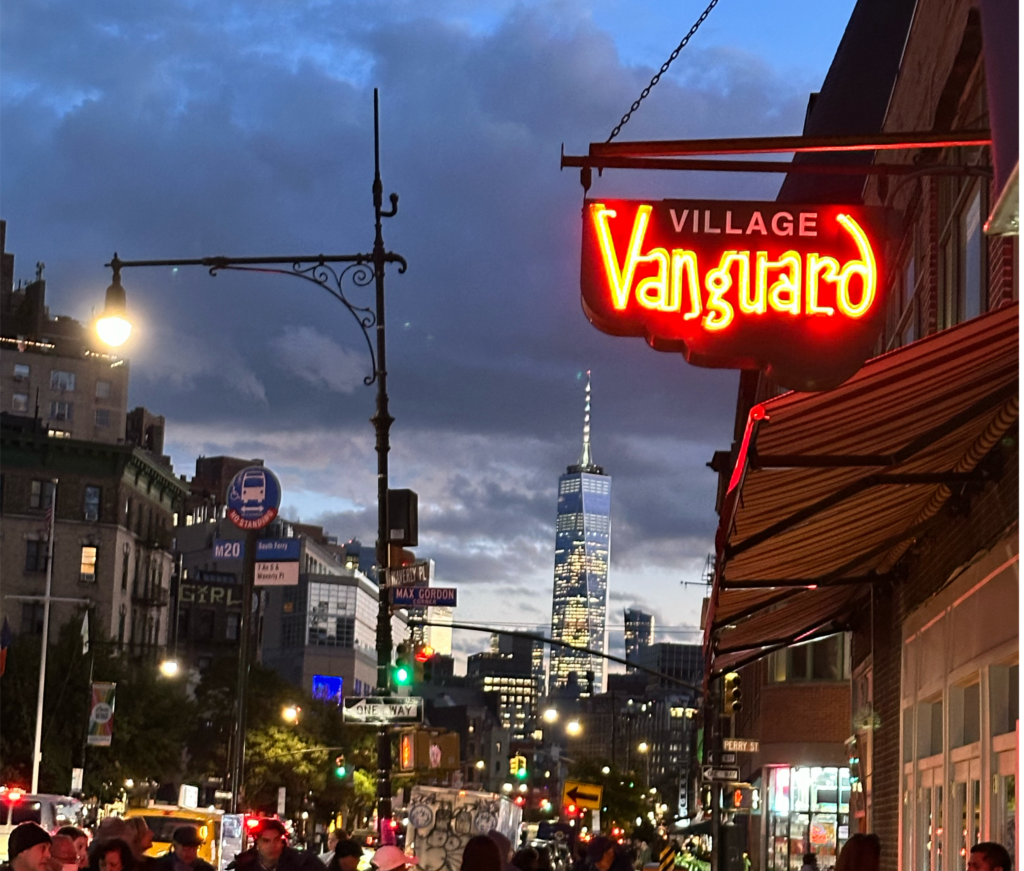
The New York City jazz scene has shifted, grown, and reshaped itself over the past 100 years. From dimly lit basements filled with cigarette smoke to sleek clubs with perfect acoustics, the rhythm of the city has never stopped.
If you’re wondering what happened to jazz in NYC, the scene has shifted in the past century. Some traditions have faded away. Yet, the pulse that once defined New York jazz still beats in less visible corners of the city. A private jazz tour is the best way to visit all the hidden gems and explore NYC jazz history the right way.
This story looks at how jazz has changed, what was lost, what improved, and where the original spirit continues to survive.
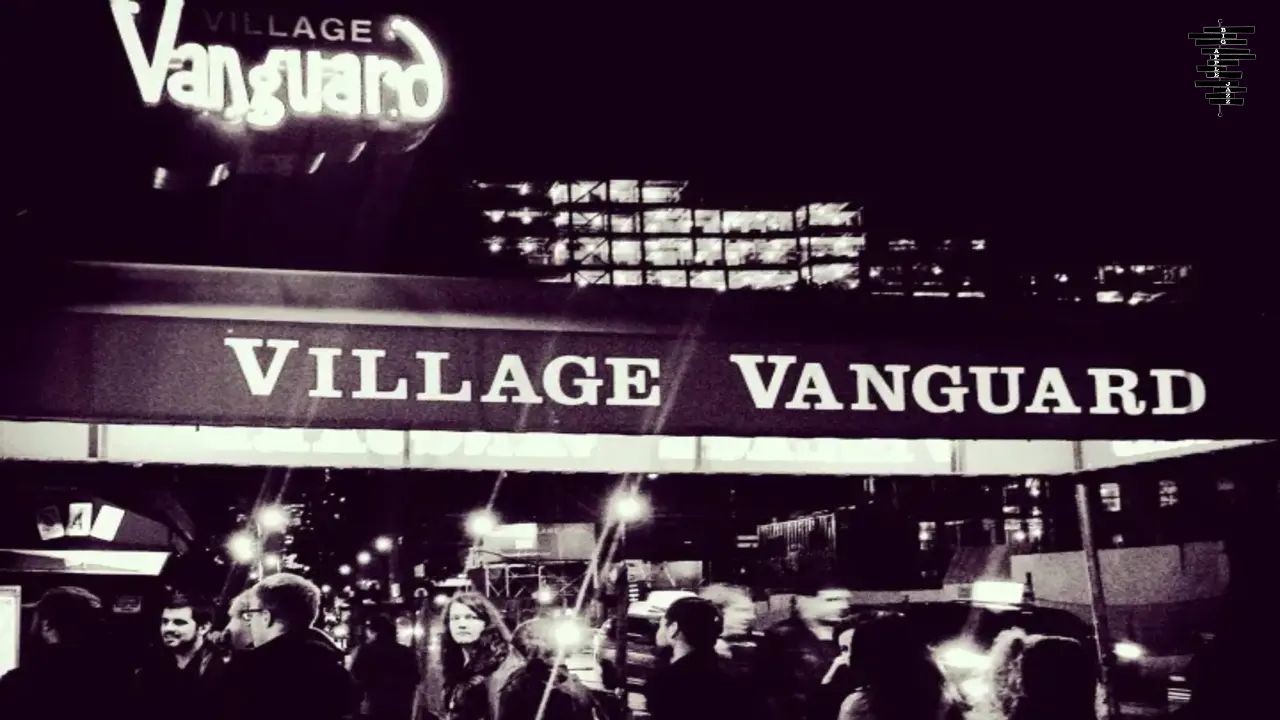
The Old-School Jazz NYC Once Knew
In the past, you could walk into a small bar on 9th Avenue and find brilliance unfolding in real time. Musicians played not for fame but for the love of sound and expression.
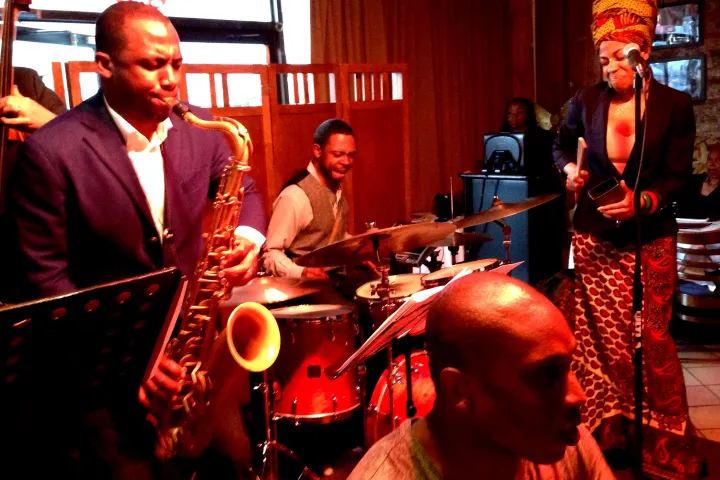
Places like The Lenox Lounge, Café Bohemia, and Small’s (still around) were the heart of the old-school jazz NYC knew. The music filled the room without amplification, and every performance carried the thrill of discovery.
The audience came to listen, not to record. The stage lights were dim, the air heavy with rhythm, and every solo felt like a secret shared between musicians and listeners. That intimacy gave jazz its identity and made every night unpredictable.
How Jazz Has Changed Over Time
The jazz scene today might look cleaner, more polished, and more organized in certain popular venues. Technology, economics, and culture have reshaped its landscape. Rising rent forced small neighborhood clubs to close or move. The once raw corners of Greenwich Village and Harlem have become more curated and expensive.
Digital platforms changed how musicians share and promote their work. Performers can share their music with a larger audience through livestreams of their nightly gigs. Audiences can watch a set from Smalls without leaving home or joining in the crowd.
Jazz continues to move forward with strength and purpose. Its spirit has not faded. It has adapted to a changing world. Live improvisation still matters, even in a digital age. Artists at the Blue Note now balance tradition with modern tools and new audiences.
Some performers share music online, while still playing for real listeners. New artists bring fresh energy from hip-hop, soul, and electronic sounds. These blends keep jazz alive and exciting. Jazz has always evolved, and this moment is no different.
What Thrives in Today’s Jazz Scene
Today’s jazz scene holds many strengths. Opportunities are wider and more inclusive than ever before.
Women bandleaders, young players, and global voices shape the sound. Harlem and downtown clubs reflect this rich diversity.
At venues like The Django and Ornithology Jazz Club, styles mix freely. Each performance feels like a shared experience across generations. The music stays personal, even as settings change. That openness keeps jazz relevant and alive.
Audiences have also grown more diverse. Students, travelers, and longtime fans now listen side by side. Many come curious about history and eager for new sounds. This wider access helps jazz reach future generations.
What Has Gained New Meaning Over Time
Jazz spaces look different today, but connection still exists. Intimacy now appears in new forms and settings. Listeners may find it during a quiet solo or shared applause. The experience has shifted, not disappeared.
Earlier clubs encouraged deep listening and close exchange. That spirit now lives in focused rooms and late-night sets. Musicians still respond to the energy in the room. The bond between player and audience remains strong.
Many seasoned artists continue sharing wisdom with younger players. Their influence lives through teaching and mentorship. Stories and techniques pass on through sound, not recordings. This exchange keeps jazz rooted and human.
Where the Jazz Spirit Shines Brightest
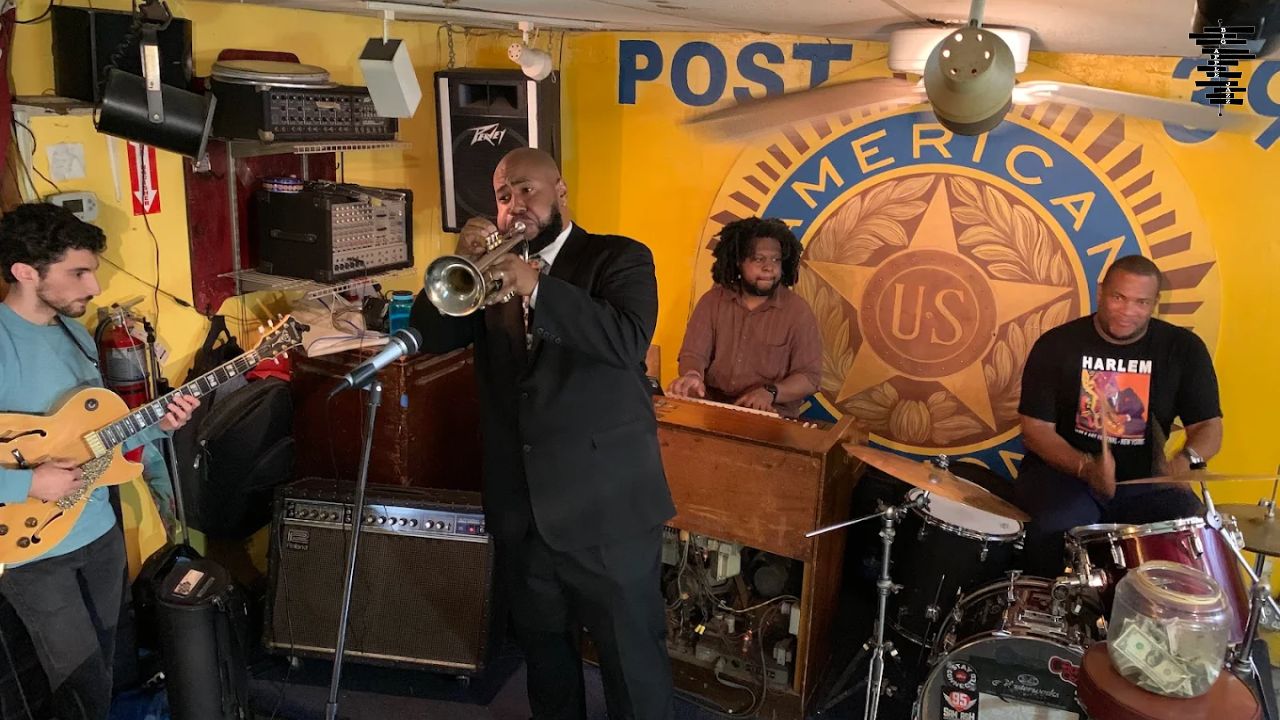
The heart of jazz still beats in smaller spaces. These places value honesty over attention. They welcome experimentation and open conversation through music.
At American Legion Post #398, Sunday jams bring warmth and soul. Community members gather to share swing and tradition. Parlor Entertainment’s brownstone concerts feel personal and alive. Music fills rooms where history feels close.
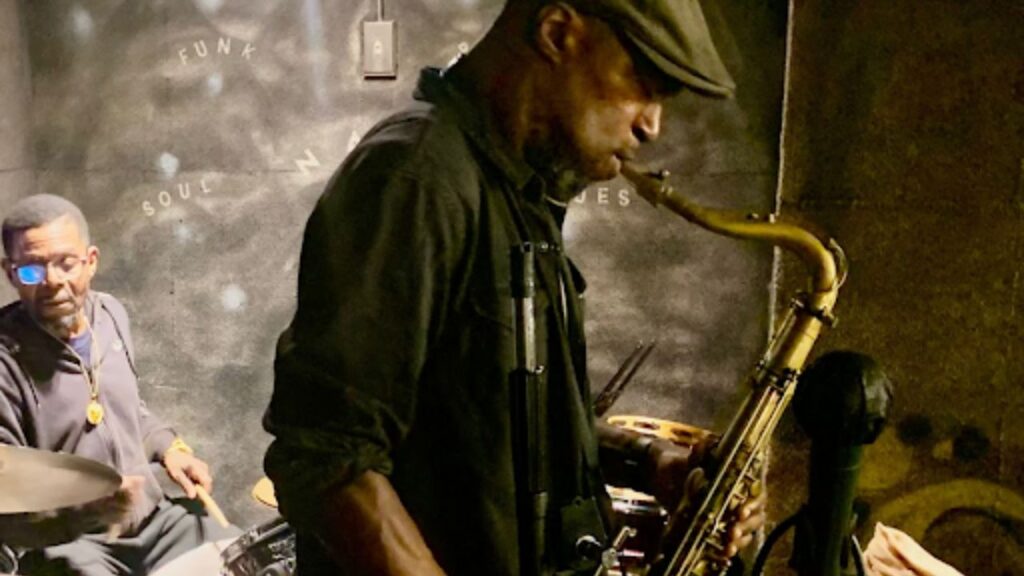
Even late nights at Small’s carry deep meaning. Musicians trade ideas like stories shared among friends. These moments echo the creative energy of earlier eras. The passion remains strong, away from the spotlight.
The People Who Carry Jazz Forward
Many musicians work tirelessly to keep jazz present in daily life. They teach, perform, and record whenever possible. Their dedication sustains the music across neighborhoods.
Some balance day jobs with late-night performances. Others transform cafés, churches, and small rooms into stages. Every note played keeps the language alive. Their effort comes from love, not nostalgia.
Jazz was born from resilience and shared experience. That spirit still guides its future today. Each generation adds its voice to the tradition.
Memory as Strength, Not Loss
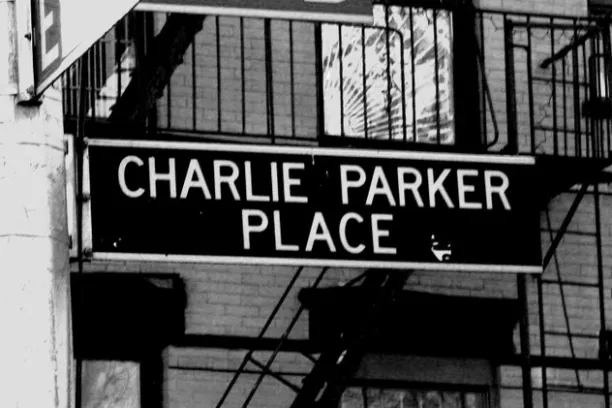
Jazz history lives throughout New York City. Harlem and the Village still carry echoes of the past. Those memories enrich the present sound.
Respect for history grounds modern creativity. New voices reinterpret classic ideas with care. This balance keeps jazz honest and evolving. Memory becomes a source of strength.
Jazz has never belonged to one era. It grows through continuity and change. Each generation finds its own rhythm to carry forward.
Why Jazz Still Matters Today
New York’s jazz story reflects identity and endurance. The city changes, and the music changes with it. Both remain deeply connected.
Each decade adds a new layer to the sound. Bebop, fusion, and modern styles all contribute.
None erase the past. They expand the conversation.
Jazz still seeks freedom within structure. That search drives musicians every night. It keeps the music alive and meaningful.
Final Thoughts
Jazz in New York continues to grow with confidence. The sound has changed, but its heart remains strong. Honesty and improvisation still guide the music.
Jazz is still very much alive in New York City. Wherever musicians listen and respond, jazz lives. The rhythm belongs to the city that shaped it. And it continues to shape the city in return. Though it may be difficult to find the vibe that is right for you, a private jazz tour is still the best way to visit all the hidden gems and explore NYC jazz history the right way.