Overview
The cool jazz movement represents a defining chapter in the evolution of jazz, characterized by its relaxed tempos, subtle dynamics, and intellectual improvisation. New York City played a pivotal role in shaping this sound, bringing together visionary musicians, innovative venues, and cultural intersections. For enthusiasts seeking to experience jazz beyond recordings, guided explorations offered by Big Apple Jazz provide an authentic lens into the city’s rich musical history and hidden venues, connecting listeners with the roots of this iconic style.
Origins of Cool Jazz in New York City
The beginnings of cool jazz can be traced back to Lester Young. The setting is the mid-20th century, specifically the 1940s and 1950s.
The swing-era tenor sax player Lester Young made a name with his light, relaxed playing style. Soon, he became an inspiration for many jazz musicians.
Young served as the inspiration. But, the person who really built up the style was the trumpeter Miles Davis. He developed the genre of cool jazz. During his early bebop days, Davis played softer with more restraint. His style was unlike how other artists of the time, like Charlie Parker and Dizzy Gillespie, played. Between 1949-1950, Davis and his band recorded Birth of the Cool, a unique cool jazz album.
The Rise of West Coast Jazz
The Miles Davis nonet inspired jazz talent in Los Angeles. They adopted this genre and developed the West Coast jazz style in the 1950s. This style of jazz has a few traits of cool jazz. It branched out of the same genre.
But there are some differences between West Coast and cool jazz. The first is that it is less frantic than cool jazz. The other is that cool jazz depends more on formal arrangements than personal improvisation.
Iconic Cool Jazz Artists in New York
The New York cool jazz scene flourished through the contributions of several trailblazing artists. Their influence reshaped jazz aesthetics and introduced innovative techniques still celebrated today.
Notable figures include:
- Miles Davis: Known for the seminal album Birth of the Cool and his understated trumpet style.
- Gerry Mulligan: Baritone saxophonist who pioneered contrapuntal arrangements in small ensembles.
- Chet Baker: Trumpet virtuoso recognized for his soft, melodic improvisations and vocal stylings.
- Dave Brubeck: Pianist famous for rhythmic experimentation and unconventional time signatures.
- Paul Desmond: Alto saxophonist celebrated for his lyrical phrasing and smooth tone
Venues That Shaped the Cool Jazz Sound
New York’s venues were integral to the movement’s development, providing spaces for experimentation and performance. Small clubs and lofts became incubators for creative collaboration.
Key locations include:
- 52nd Street Clubs: Often called “Swing Street,” these clubs hosted legendary sessions for musicians seeking a relaxed, intellectual sound
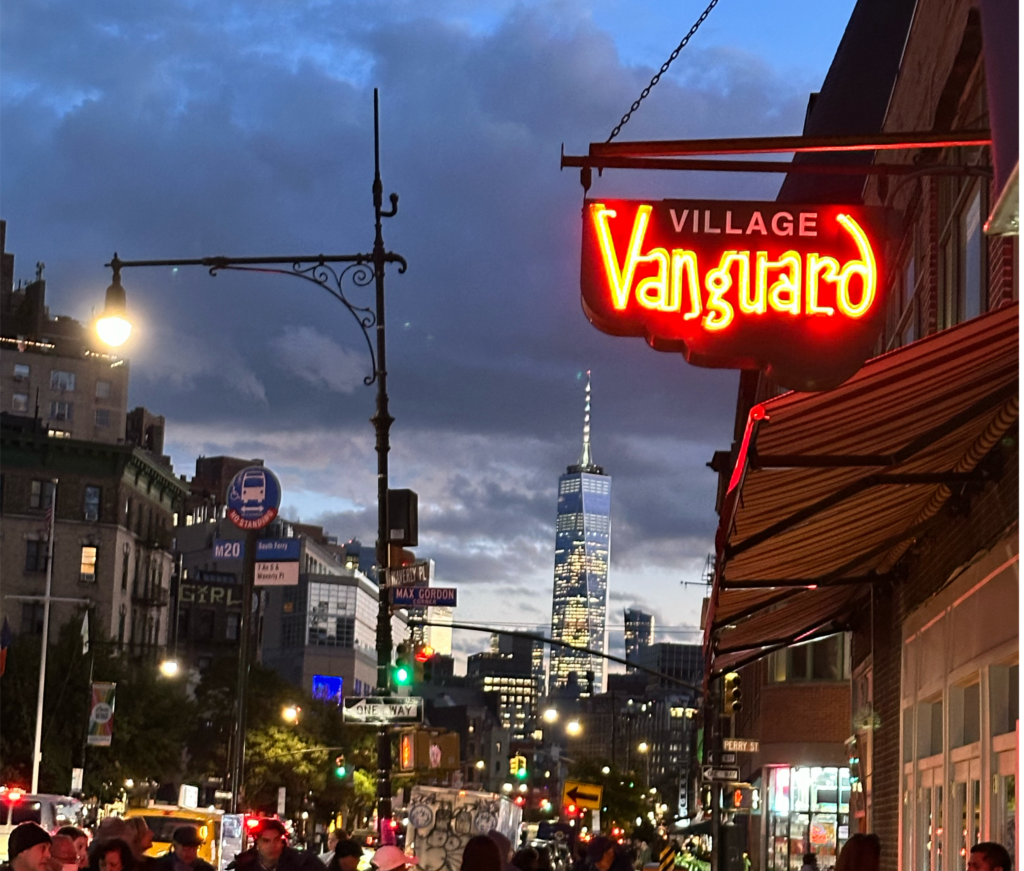
- The Village Vanguard: It is known for its intimate basement setting. This was the place of iconic live recordings by top artists. A few names include Sonny Rollins, Bill Evans, and John Coltrane.
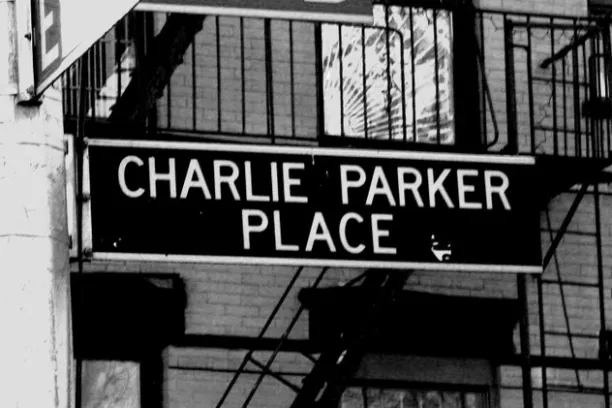
- Birdland: Birdland was a premier NYC venue named after Charlie “Bird” Parker. He was a bebop pioneer who launched the career of Miles Davis. The place fostered a setting where innovative sounds thrived.
- Small Manhattan lofts: Private gatherings where experimentation with new arrangements and softer dynamics flourished
These spaces encouraged a blend of musical innovation, community, and dialogue between musicians and audiences.
Musical Attributes of Cool Jazz
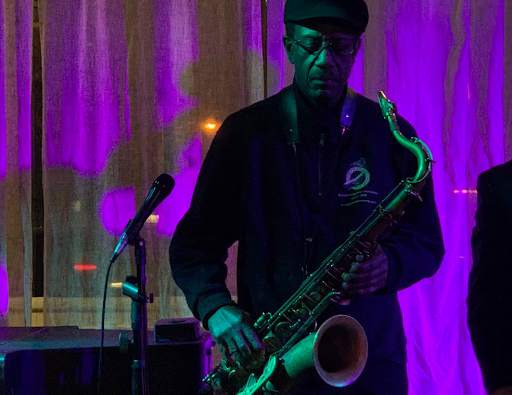
Cool jazz developed from traditional bebop. But it has various unique features. These include:
1. Smooth and Reserved sound
Bebop and hard bop are frantic and loud. Contrarily, cool jazz has a softer and more controlled sound.
2. Formal Arrangement
Cool jazz musicians arrange their music beforehand. It does not give them much room for improvised solos. On the other hand, Improvised solos are a key feature of bebop.
3. Classical Impact
Cool jazz merges elements of jazz and classical music. It often integrates classical instruments not prevalent in jazz. These include the flute, tuba, vibraphone, and French horn.
4. Diverse Band Sizes And Instrumentation
Most bebop bands are small quartets or quintets. They have a trumpet and/or saxophone in their rhythm sections. But cool jazz bands don’t have a fixed size. They range from trios to nonets or nine-member bands. Cool jazz groups also use varied instrumentation.
5. Counterpoint
Cool jazz compositions commonly have counterpoint. It’s a blend of two or more melodic lines played together.
Landmark Cool Jazz Albums and Performances
Several albums and performances capture the essence of the cool jazz movement. They act as benchmarks in the genre’s evolution.
- Miles Davis’s “Birth of the Cool” in 1957. It is a compilation of 11 recorded tracks of Davis’s nonet. The album featured a lot of novel instrumentation.
- Gerry Mulligan and Chet Baker’s “Gerry Mulligan Quartet.” It was one of the most popular cool-jazz groups of its time. Lee Konitz was also part of the group, known for his unique playing style
- Dave Brubeck’s “Time Out” in 1959. It spread cool jazz far and wide. It’s known for its innovative time signatures and Paul Desmond’s unique alto sax.
- Gil Evans and Miles Davis collaborations like “Miles Ahead.” It came out in 1957. “Porgy and Bess” was released in 1958 and showcased a large ensemble of cool jazz.
Lennie Tristano’s “Intuition” and “Digression” in 1949 were genre-defining examples of free improvisation within the cool jazz style.
Influence on Contemporary Jazz and Culture
The cool jazz movement has had a lasting impact on New York’s jazz scene and global music culture. Its legacy is seen in both modern jazz ensembles and popular music arrangements.
Notable influences include:
- Modern jazz artists adopting cool jazz phrasing and harmonies
- Incorporation of relaxed tempos and tonal color in film scores
- East Coast jazz clubs preserving historical cool jazz sessions for educational purposes
- Integration of classical and jazz techniques in contemporary music education programs
This cross-generational influence ensures that cool jazz remains a vital and evolving component of the city’s musical identity.
Why New York City Was Crucial to Cool Jazz
NYC was the original hub of its predecessor, Bebop. It served the fertile area where Miles Davis and Gil Evans recorded the Birth of the Cool sessions. The city amalgamates NYC’s intense jazz with classical styles. It is the birthplace of a novel, softer sound.
NYC was a major media center. So, labels and radio permitted the recordings of these distinct sounds. They also disseminated them nationally. Thus, it spread cool jazz to a wider audience.
The following aspects of NYC make it crucial to cool jazz:
- Dense concentration of talented musicians facilitating collaboration
- Cultural intersections inspiring experimental harmonies and arrangements
- Clubs and lofts providing intimate spaces for both practice and performance
- Close connection between performers and audiences enhancing artistic feedback
Learning from Cool Jazz Legends
Understanding the techniques and philosophies of cool jazz artists provides a blueprint for aspiring musicians. They exemplified a balance of emotional expression and technical precision, shaping how future generations approach jazz performance.
Educational takeaways include:
- Study of improvisation emphasizing melody and mood
- Use of space and silence to enhance musical narrative
- Harmonization techniques combining classical and jazz elements
- Ensemble coordination through subtle dynamics and counterpoint
- Appreciation of musical restraint to amplify expressive power
These lessons resonate in both academic settings and informal jam sessions across New York today.
Connecting Cool Jazz to Broader Jazz Movements
Cool jazz is intertwined with other styles such as bebop, West Coast jazz, and modern contemporary jazz. Its influence extends to New Orleans jazz elements, particularly in rhythmic flexibility and improvisational techniques.
Connections include:
- Borrowing melodic motifs from traditional jazz forms
- Incorporating swing rhythms while emphasizing lyrical interpretation
- Collaboration between East Coast and West Coast musicians
- Influence on modern jazz fusion and global jazz ensembles
Understanding these links provides context for the genre’s enduring significance and musical evolution.
Concluding Words
Cool jazz greatly influenced music with its mellow, refined sound. It bridged bebop and later styles like modal jazz. Simultaneously, it introduced classical instrumentation as well. Cool jazz mainly reflects the post-war American desire for peace and intellect. Those wanting to explore its history deeply will benefit from private jazz tours by Big Apple Jazz. These tours, led by knowledgeable guides, connect listeners to the streets and venues that inspired jazz artists. Thus, you leave filled with greater appreciation of jazz and its lasting impact.
FAQs
When did jazz start trending in NYC?
Mid-to-later years of the 1920s saw jazz rising in popularity in NYC. From this time onward, the city became the Mecca of jazz. That’s why it’s not surprising that every major jazz style over the past 70 years has its origins in NYC.
What was Lester Young’s slang?
Lester Young popularized many slang terms. They are still in use today. These are ‘cool’ for stylish and calm, and ‘dig’ for understanding. ‘Bread is used for money, and ‘crib’ is used for home.
Where can visitors hear cool jazz influences in NYC today?
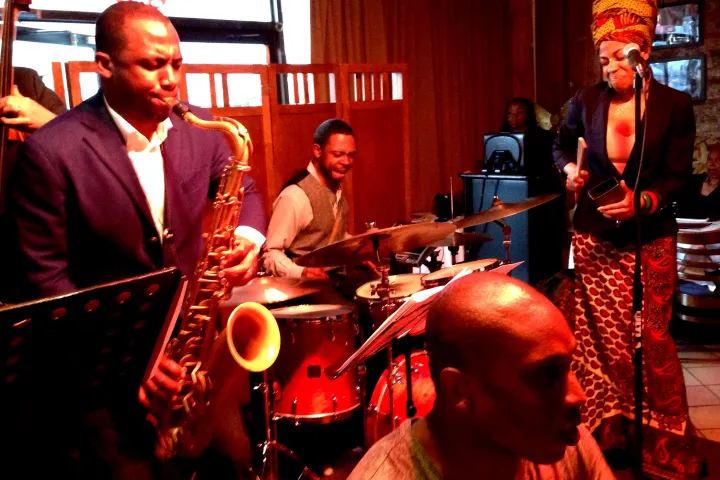
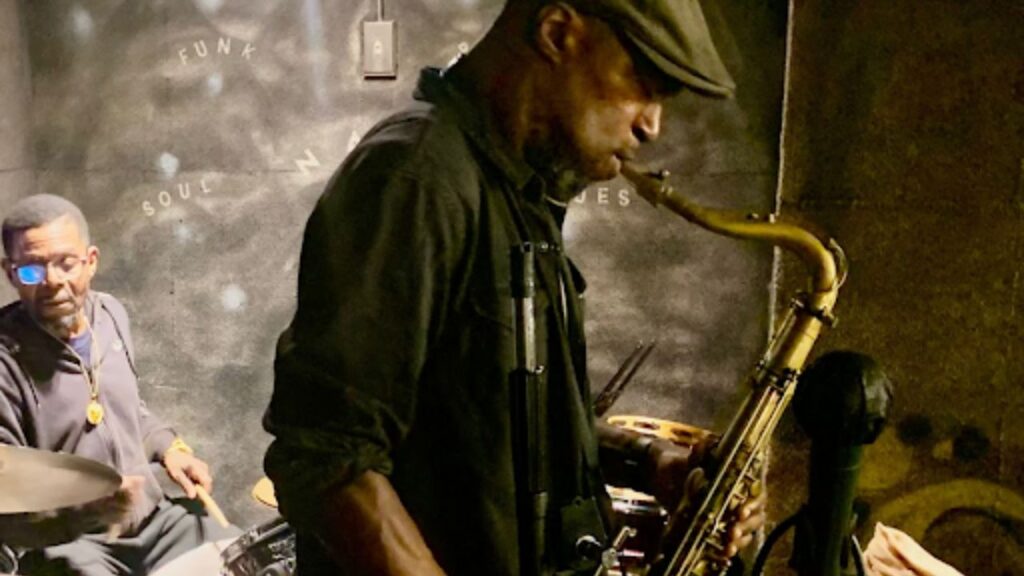
Many jazz clubs in Harlem and Greenwich Village still feature cool jazz inspired performances. Some venues highlight classic styles alongside modern interpretations by younger musicians.
Is cool jazz suitable for new jazz listeners?
Absolutely. Cool jazz has soft tempos and a tuneful focus. The sound is very refined and not intimidating. It puts emphasis on harmony and not speed. So, it’s great for new jazz enthusiasts.