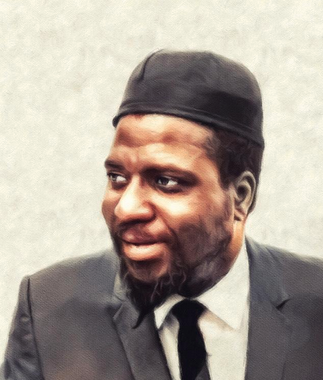
New York City changed jazz forever during the bebop era of the 1940s. In this blog, we’ll explore how bold musicians reshaped sound, rhythm, and creative freedom. This history connects music, neighborhoods, and late nights filled with fearless ideas. At Big Apple Jazz, this living history still shapes how audiences experience jazz today.
The Birth of Bebop in New York City
Bebop was not background music or polite entertainment. It was loud, fast, complex, and deeply personal. Musicians created it after hours, away from crowded ballrooms. New York City provided the pressure, talent, and competition needed for change.
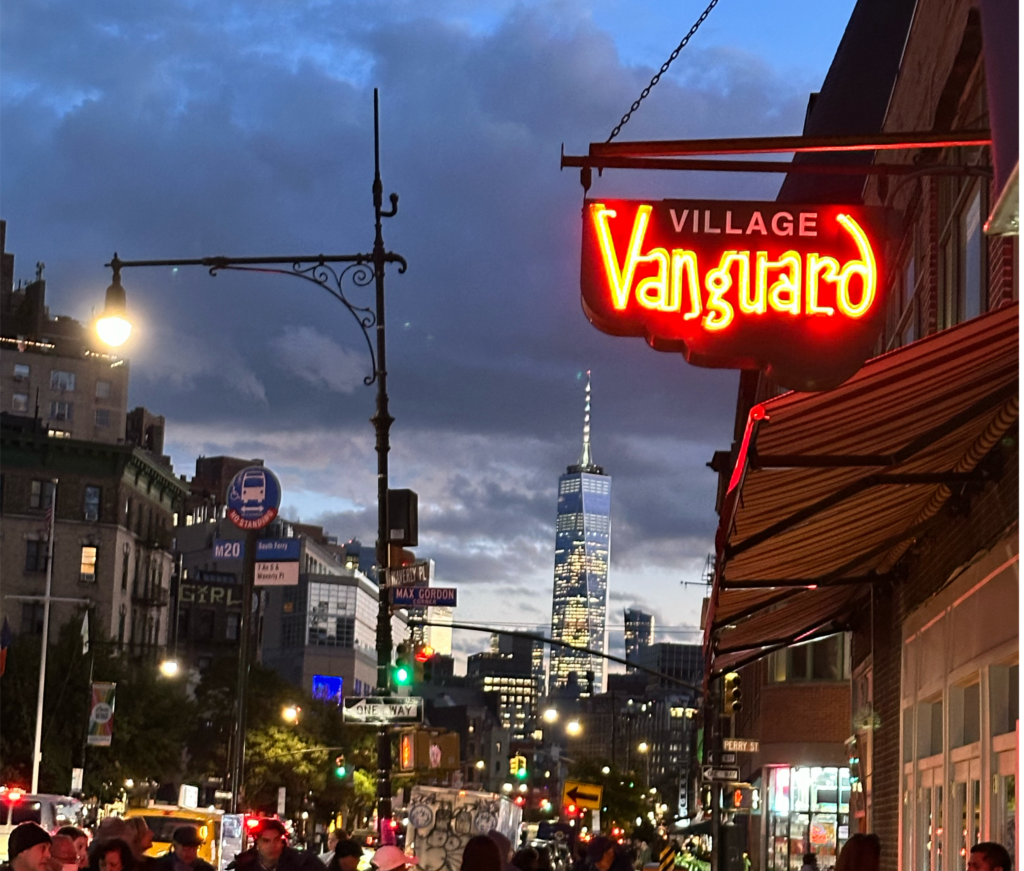
Harlem became the testing ground for new sounds. Greenwich Village offered freedom and long jam sessions. Together, these neighborhoods fueled a musical revolution.
What Defined Jazz Bebop Artists
Jazz bebop artists rejected predictable swing patterns. They demanded attention, skill, and deep listening from audiences. Improvisation became the main voice, not just decoration.
Key traits shaped bebop musicians:
- Fast tempos with sharp rhythmic breaks
- Complex chord progressions replacing simple harmonies
- Solo improvisation as the emotional center
- Smaller ensembles focused on creative exchange
This style rewarded risk, not repetition.
Dizzy Gillespie: The Architect of Bebop Energy
Dizzy Gillespie brought fire, humor, and genius to bebop. His trumpet sound was bold, high, and instantly recognizable. He played notes others believed impossible at those speeds.
Gillespie expanded jazz vocabulary through harmony and rhythm. He introduced Afro-Cuban influences into modern jazz forms. This blend created complex rhythmic patterns that reshaped the sound of American music for generations.
Dizzy Gillespie’s NYC Impact
New York clubs shaped Gillespie’s rise. He performed in Harlem jam sessions that demanded constant innovation. Musicians tested ideas nightly, often pushing each other aggressively.
Important NYC locations tied to Gillespie’s work included:
- Minton’s Playhouse in Harlem
- Clark Monroe’s Uptown House
- Jimmie’s Chicken Shack
These spaces rewarded bold experimentation and punished hesitation.
Thelonious Monk: The Rebel Genius of Bebop
Thelonious Monk sounded unlike any pianist before him. His playing felt angular, sparse, and emotionally raw. Silence mattered as much as sound in his music.
Monk wrote compositions that challenged musicians deeply. His melodies twisted expectations and refused easy resolution. Many players struggled with his work at first.
Monk’s Unique Approach to Improvisation
Monk treated the piano like a percussion instrument. He favored sharp attacks and unexpected pauses. This approach forced listeners to stay alert.
His improvisation style included:
- Sudden rhythmic stops and starts
- Dissonant harmonies resolving unexpectedly
- Childlike melodies with complex structures
Monk trusted intuition over convention every time.
Minton’s Playhouse: Where Bebop Took Shape
Minton’s Playhouse served as bebop’s main laboratory. Musicians gathered there after official gigs ended. The goal was musical survival, not comfort.
Jam sessions followed unwritten rules. If players lacked skill, they were pushed offstage. Only the strongest voices lasted through the night.
Monk worked as house pianist at Minton’s. His presence shaped the sound of every session.
Dizzy Gillespie and Monk: A Creative Collision
Gillespie and Monk approached music differently. One thrived on explosive energy and humor. The other favored restraint and sharp focus.
Together, they expanded bebop’s range. Their contrasts proved bebop could hold many voices. This diversity attracted musicians seeking artistic freedom.
How Bebop Changed Jazz Forever
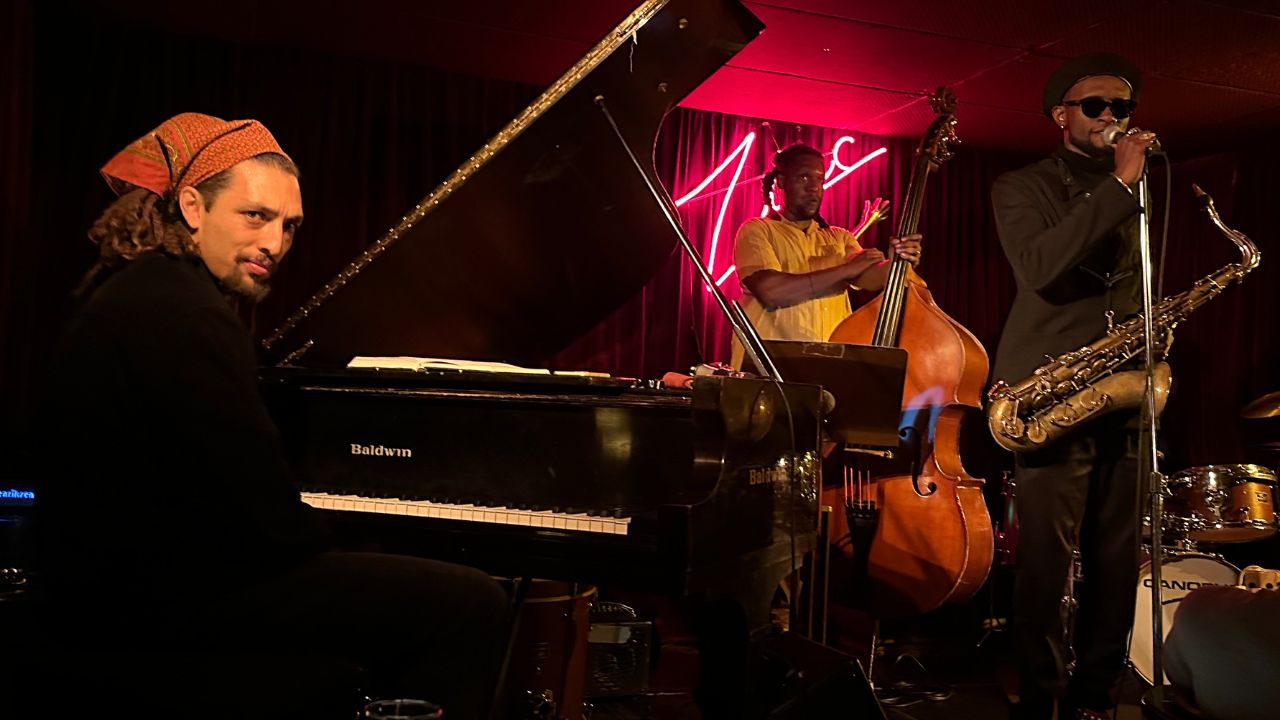
Before bebop, jazz centered on dance and large crowds. After bebop, jazz became an art of listening. Musicians played for each other as much as audiences.
Long-term changes included:
- Jazz education focused on theory and improvisation
- Smaller groups replaced big bands
- Clubs replaced ballrooms as primary jazz venues
These shifts still define modern jazz culture.
Bebop and the Changing NYC Jazz Scene
Bebop transformed New York nightlife. Late-night jam sessions became cultural rituals. Musicians traveled across boroughs chasing creative breakthroughs.
Greenwich Village grew as a jazz hub. Harlem remained the spiritual center of innovation. Each neighborhood shaped the sound differently.
Why Jazz Bebop Artists Still Matter Today
Modern jazz still uses bebop language. Scales, rhythms, and structures trace back to this era. Musicians study Gillespie and Monk as foundations.
Bebop also influenced hip-hop, funk, and modern classical music. Its spirit of resistance inspired generations beyond jazz.
Experiencing Bebop’s Legacy in New York Today
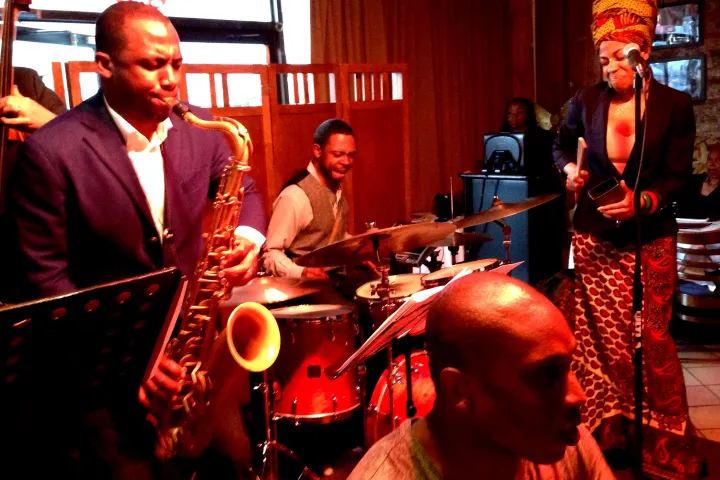
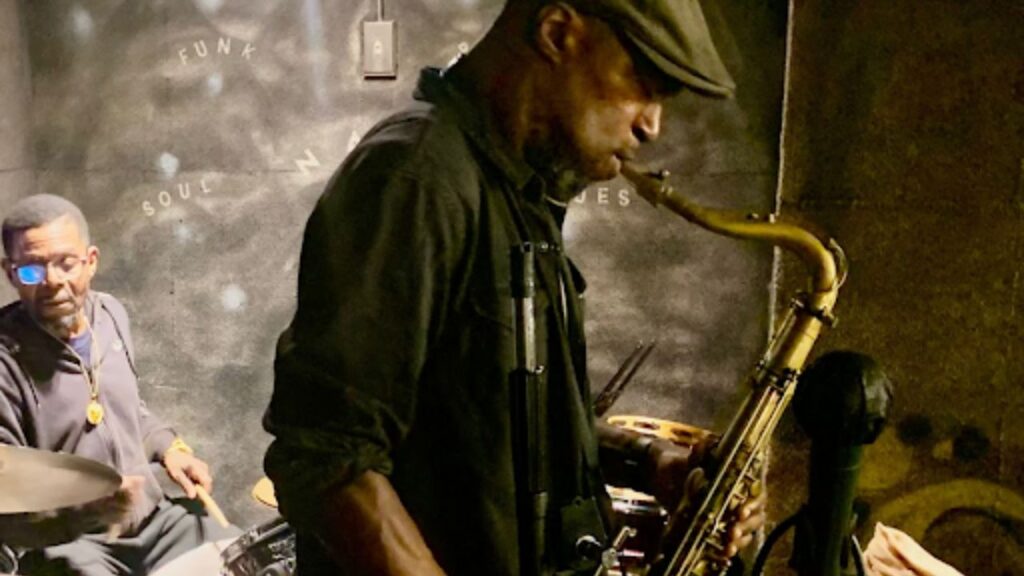
Many historic bebop venues no longer operate. Yet their influence remains deeply present. Musicians honor bebop nightly across New York clubs.
Some spaces continue the tradition:
- Harlem jazz clubs hosting modern jam sessions
- Village venues celebrating experimental sounds
- Festivals honoring bebop pioneers annually
The music evolves while respecting its roots.
Listening Guide: Bebop Essentials
For those exploring jazz bebop artists, start with intention. Listen actively, not casually, to appreciate complexity.
Essential recordings include:
- Dizzy Gillespie’s early small-group sessions
- Thelonious Monk’s Blue Note recordings
- Live jam recordings from Harlem venues
Repeated listening reveals new details each time.
Understanding Bebop as a Cultural Movement
Bebop was also a statement of independence. Musicians demanded ownership over their art. They resisted commercial pressure and racial stereotypes.
This movement aligned with broader social change. Jazz became a voice of identity and intellect. New York amplified that message worldwide.
Why Bebop Thrived Only in NYC
New York concentrated talent, competition, and opportunity. Musicians lived close enough to collaborate constantly. Ideas spread fast through clubs and word of mouth.
Other cities contributed, but NYC accelerated evolution. The city rewarded risk and punished stagnation. Bebop needed that intensity to survive.
Learning From Gillespie and Monk Today
Gilllespie and Monk left clear musical lessons that still guide jazz players today. They showed how strong rhythm, bold harmony, and personal phrasing shape a unique sound.
Gillespie taught musicians to push tempo, explore complex chords, and lead with confidence. Monk showed how space, silence, and unexpected notes can create powerful expressions. Together, they proved that style comes from clear choices, not imitation or comfort.
The Living Sound of Bebop in Modern Jazz
Bebop never disappeared. It adapted, blended, and reemerged in new forms. Musicians continue testing limits in small clubs.
New York remains a testing ground. Late-night sessions still echo bebop’s spirit. The conversation started by Gillespie and Monk continues.
Final Thoughts on Jazz Bebop Artists
Jazz bebop artists transformed music through courage and creativity. Dizzy Gillespie and Thelonious Monk led that charge in New York City. Their work reshaped sound, performance, and artistic freedom.
This history remains visible in today’s jazz culture–Minton’s Playhouse still stands Through guided jazz walks, club visits, and live music experiences, Big Apple Jazz helps visitors explore the neighborhoods and venues where bebop was born. New York continues to honor the revolution it created, night after night.