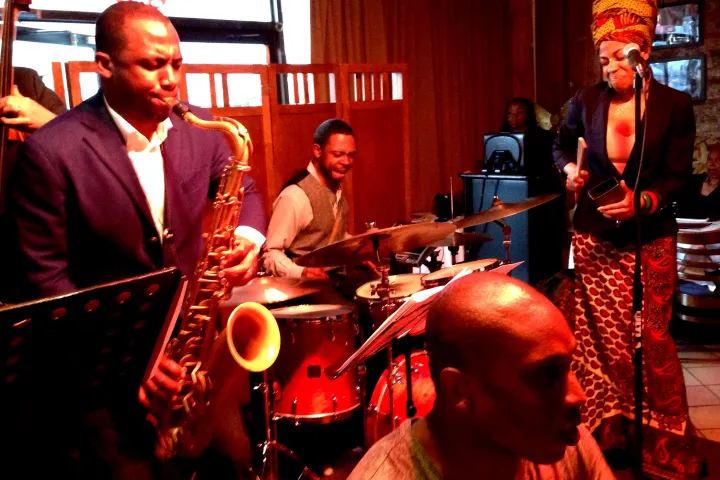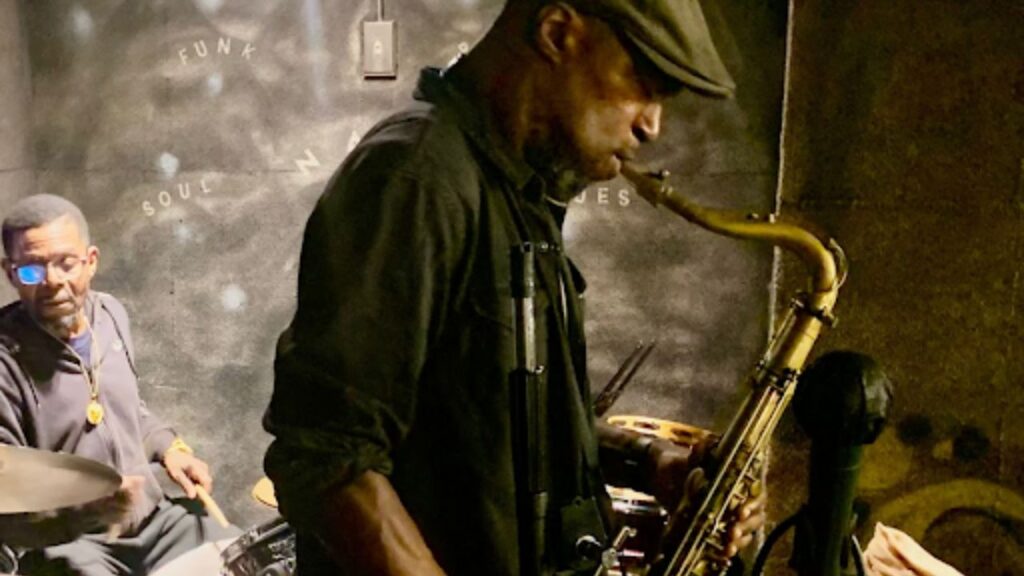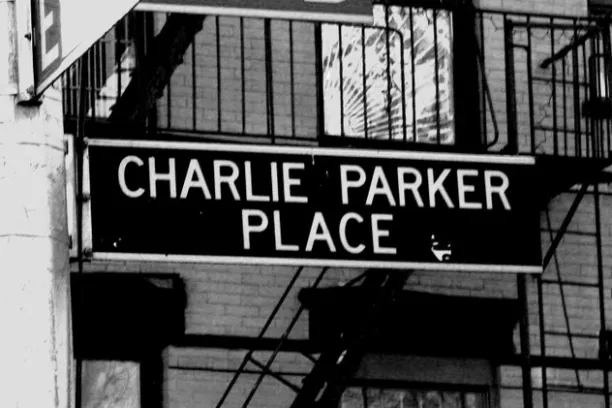
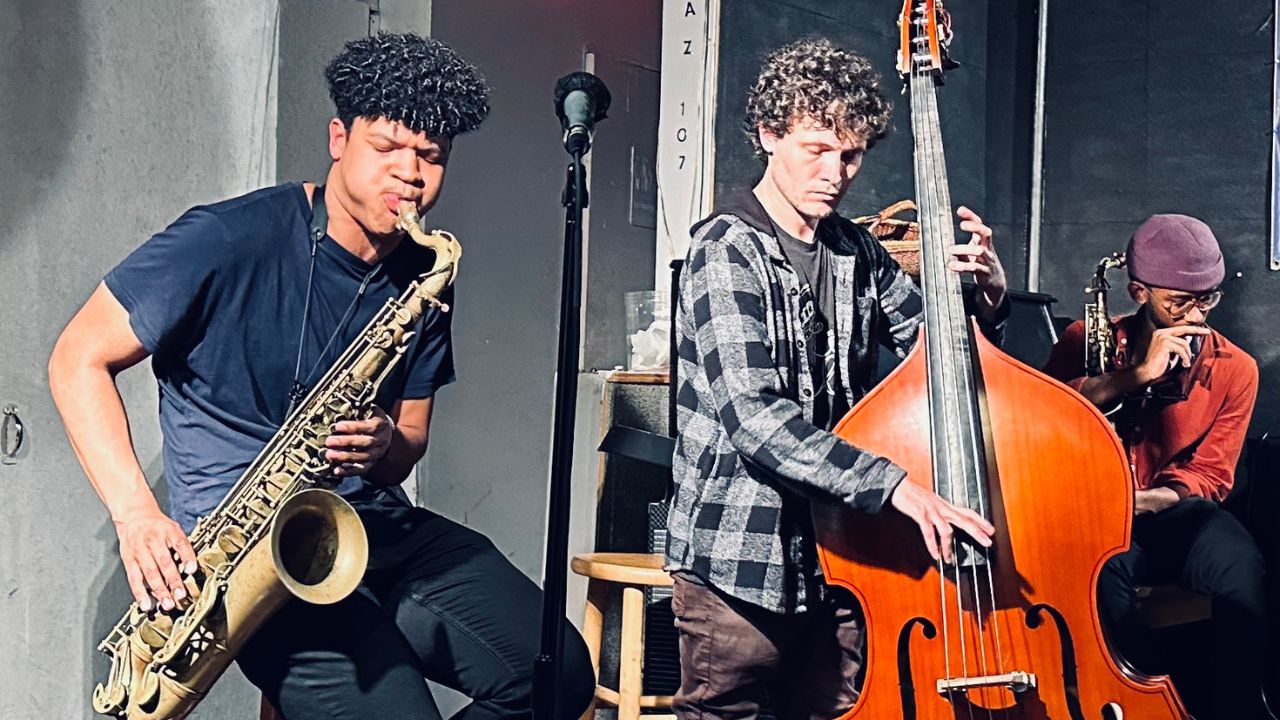
New York City has shaped every major chapter of jazz history. We trace how different types of jazz music grew across neighborhoods, clubs, and generations.
Each movement reflects changing culture, sound, and creative freedom. Through guided jazz walks and live club visits, Big Apple Jazz helps listeners experience these movements where they began.
Early Roots of Jazz in New York City
Jazz reached New York City during the early twentieth century through migration from the American South. Musicians brought blues, ragtime, spirituals, and brass band traditions shaped by lived experience. The city offered recording studios, theaters, and steady audiences eager for modern sounds. Jazz adapted quickly to match the pace, noise, and energy of urban life.
Harlem became the cultural center for this growing movement. Music blended with poetry, dance, and visual art across crowded venues. Late-night jam sessions encouraged experimentation, competition, and stronger individual styles. These conditions allowed jazz to evolve rapidly within New York City.
New Orleans Jazz Finds a Home in NYC
New Orleans jazz laid the foundation for all later styles. This sound featured collective improvisation and strong rhythmic drive. Trumpet, clarinet, and trombone shared melodic roles.
In New York, musicians refined this style for larger audiences. Dance halls favored clear melodies and steady tempos. Early jazz recordings helped spread the sound nationwide.
Harlem Renaissance Jazz and Cultural Power
Jazz as a Voice of Identity
Harlem Renaissance jazz was a colorful, unique musical explosion. It took place in the 1920s and 30s in Harlem, NYC. The jazz amalgamated African-American traditions like the blues and spirituals with novel sounds. These sounds emphasized improvisation and syncopation. This, in turn, led to the formation of a totally new art form. It featured legends like Louis Armstrong and Duke Ellington. They defined the ‘jazz age.’ This period saw the creation of new dances, which fed the creation of a bigger cultural identity. Clubs like the Savoy Ballroom were central to this.
The music and clubs broke down the racial barriers. They fostered pride and influenced the Civil Rights Movement.
Stride Piano and the Harlem Sound
Stride piano became a defining sound of early Harlem jazz culture. The style used strong left-hand bass patterns with lively right-hand melodies. Pianists jumped across wide keys, creating bold rhythm and steady movement. This approach gave the music power, energy, and strong dance appeal.
Playing stride piano required speed, control, and deep physical strength. Performers needed sharp timing and constant focus during long sessions. Improvisation played a major role in keeping each performance fresh. Crowds listened closely as pianists competed through skill and creativity.
James P. Johnson and Fats Waller shaped this influential style. Their music filled rent parties, dance halls, and social gatherings. These performances supported communities and spread Harlem’s musical identity. Stride piano later influenced swing, bebop, and modern jazz piano styles.
Swing Music and the Big Band Era
Swing dominated New York during the 1930s. Big bands replaced small combos for mass appeal. Music focused on dance, joy, and shared energy.
Key features of swing music included:
- Large ensembles with arranged sections
- Steady rhythms built for dancing crowds
- Featured soloists within structured arrangements
Ballrooms like the Savoy defined swing culture.
The Savoy Ballroom and Swing Battles
The Savoy Ballroom in Harlem became the place to go for swing music. It offered a massive, beautiful dance floor to the musicians. Here, the best bands played non-stop for the most skilled dancers in the world. This ballroom fostered the growth of Lindy Hop through the ‘Battle of the Bands’ contests. The place pulled countless onlookers, in a beautifully integrated scene for the times . Thus, it cemented swing as America’s most trending dance music of the mid 1920s- 50s. The two bandstands of Savoy ensured continuous music. This, in turn, led the bands to innovate and dancers to adapt constantly. The end result was a dynamic self-reinforcing cycle that made both the musicians and the dancers become the best in their field.
Count Basie and Chick Webb became legends through these performances. Their bands mastered tight rhythms and powerful brass sections. Swing reached Black and white audiences inside the same space. The Savoy helped break barriers and spread jazz culture across the city.
Bebop: A Radical Shift in Jazz Expression
Bebop emerged during the 1940s. Musicians rejected dance-focused swing structures. They favored complexity, speed, individuality, and improvisation.
Bebop thrived in late-night jam sessions. Small clubs replaced ballrooms as creative spaces. Listeners needed focus and musical awareness.
Key Characteristics of Bebop Music
Bebop introduced new musical standards.
It challenged both players and audiences.
Core elements included:
- Fast tempos with unpredictable phrasing
- Complex harmonies based on extended chords
- Long improvisations led by individual voices
This style reshaped modern jazz language.
Hard Bop and Urban Realism
Blues and Gospel Return to Jazz
Hard bop followed bebop during the 1950s. It brought blues, gospel, and soul influences back.
This style felt grounded and emotionally direct.
New York musicians shaped hard bop strongly. The sound reflected urban life and social change. Listeners connected deeply with its honesty.
Cool Jazz and Controlled Expression
Cool jazz emerged as a softer and more controlled alternative to bebop. It focused on smooth tones, relaxed tempos, and subtle dynamics. Musicians emphasized clarity and precision rather than rapid-fire complexity. This created music that felt more calm, polished, and thoughtful.
Arrangements in cool jazz were carefully structured to highlight each instrument. Players interacted with sensitivity, listening closely to one another. The style rewarded nuance, space, and quiet creativity over fast tempo solos. New York’s select clubs offered the perfect environment for this subtle music.
Cool jazz influenced not only live performances but also recordings and media. Film scores and modern compositions often borrowed its controlled harmonies. Musicians adapted its techniques for orchestral and chamber jazz settings. The style left a lasting mark on how jazz could express mood and emotion.
Modal Jazz and Musical Freedom
Modal jazz simplified harmony to expand improvisation. Musicians explored scales instead of fast chord changes. This approach allowed deeper melodic exploration.
New York players embraced modal concepts quickly. The style encouraged patience and space. It changed how musicians thought about solos.
Free Jazz and Creative Risk
Free jazz rejected fixed structures entirely. Musicians abandoned predictable rhythm and harmony. Expression mattered more than rules.
New York became a center for free jazz exploration. Small venues welcomed bold experimentation. This movement challenged traditional definitions of jazz.
Latin Jazz and Afro-Cuban Influence
Latin jazz blended jazz with Afro-Cuban rhythms. Percussion played a central role.
The sound felt vibrant and energetic.
New York’s diverse population supported this fusion. Musicians shared traditions across cultures. Latin jazz expanded jazz’s global reach.
Soul Jazz and Community Connection
Soul jazz grew from hard bop roots. It focused on groove, melody, and accessibility. Hammond B3 organ trios became popular in small clubs and Harlem lounges.
This style welcomed new audiences. It connected jazz with everyday life. Soul jazz remains popular in modern venues.
Jazz Fusion and Electric Innovation
Jazz fusion emerged during the late 1960s. It mixed jazz improvisation with rock and funk. Electric instruments replaced acoustic sounds.
New York musicians experimented boldly. Studios and clubs supported this evolution. Fusion expanded jazz into mainstream culture.
Smooth Jazz and Commercial Appeal
Smooth jazz emphasized melody and polish. It favored steady rhythms and simple structures. The sound reached radio audiences widely.
While controversial regarding artistic merit, smooth jazz gained popularity. It introduced new listeners to jazz traditions. Many musicians crossed genres successfully.
Modern Jazz and Contemporary Voices
Modern jazz blends tradition with innovation. Artists borrow freely from past styles. Technology influences sound and distribution.
New York remains the primary testing ground for modern jazz experimentation. Musicians like Wynton Marsalis honor traditional forms while introducing inventive improvisation. Pianists such as Jason Moran fuse historical techniques with modern rhythms and cultural references Saxophonists like Joshua Redman adapt bebop and post-bop vocabulary for contemporary compositions. Clubs, small stages, and festival venues provide spaces to test and refine these new expressions.
Young performers study classic forms deeply while developing their own sound. They integrate electronic instruments, global rhythms, and modern harmonic ideas. Contemporary voices continue to reshape jazz for audiences hungry for both history and innovation. Through education, live performance, and mentorship, these figures ensure jazz remains vital in New York and beyond.
Where to Experience Jazz Styles in NYC Today
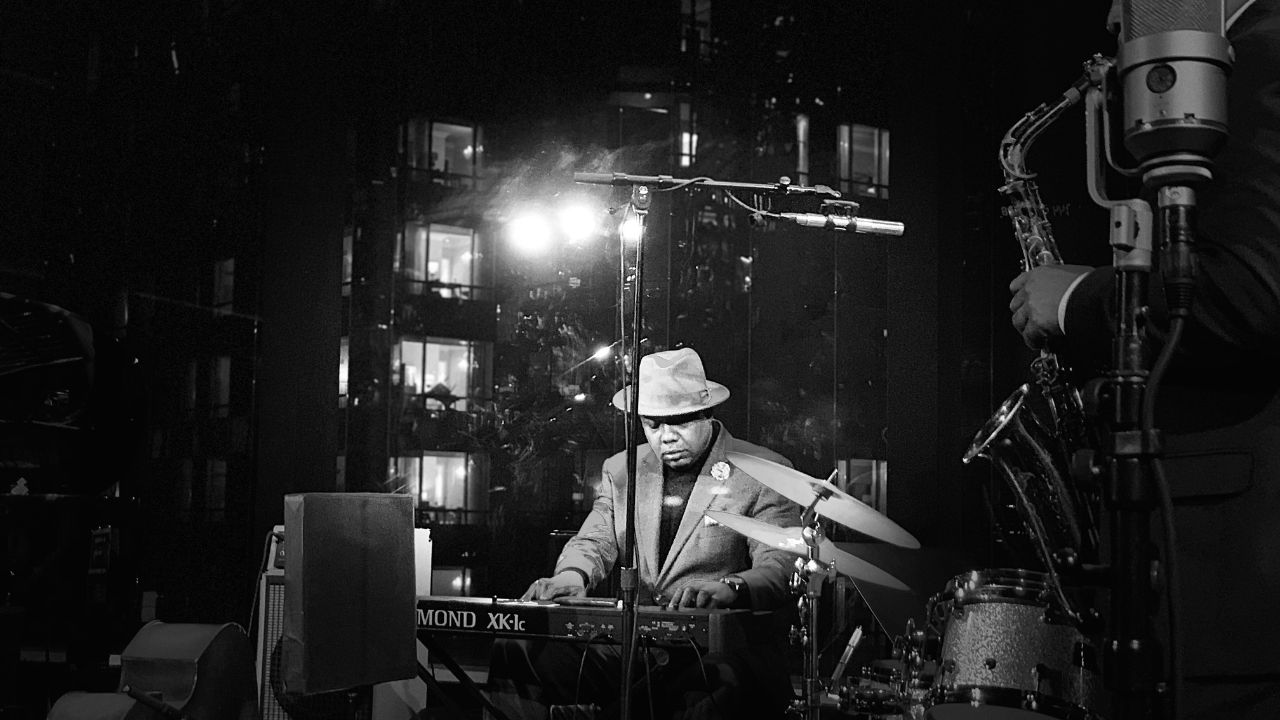
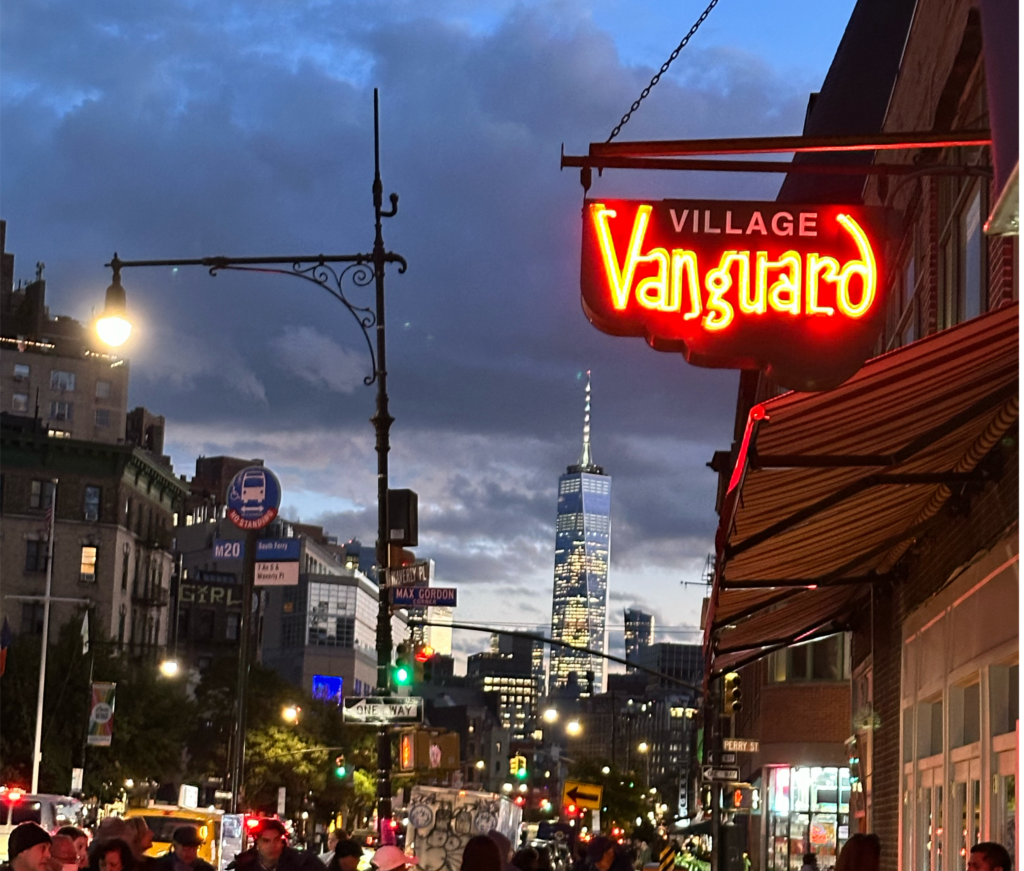
Different neighborhoods still reflect different jazz movements. Harlem honors tradition and innovation together. Greenwich Village supports experimentation and legacy.
Through curated jazz tours and club experiences, Big Apple Jazz guides visitors through these living styles. Guests hear swing, bebop, Latin jazz, and modern sounds in authentic settings.
Understanding the Types of Jazz Music
Exploring different types of jazz music helps listeners appreciate its depth and variety. Each style carries the influences of its time, social context, and local culture. From blues-based roots to complex bebop improvisation, every type tells a unique story. Learning these styles improves listening skills and deepens emotional connection to music.
New York City serves as a living classroom for all jazz movements. Harlem, Greenwich Village, Brooklyn, and other neighborhoods preserve the sounds of each era. Musicians draw inspiration from history while experimenting with modern interpretations. Audiences experience swing, bebop, cool jazz, and fusion all in one city.
The story of jazz continues nightly in clubs and small performance spaces. Live performances allow listeners to hear history and innovation together. Each show reflects a dialogue between past and present styles. By understanding jazz’s types, fans gain insight into its cultural and musical evolution.
Final Thoughts on NYC’s Jazz Movements
The many types of jazz music reveal New York’s creative spirit. Each movement reflects bold choices and cultural change. Jazz remains alive through performance and community.
By exploring historic neighborhoods and active clubs, Big Apple Jazz connects listeners with these living traditions. New York continues to shape jazz, just as jazz shapes New York