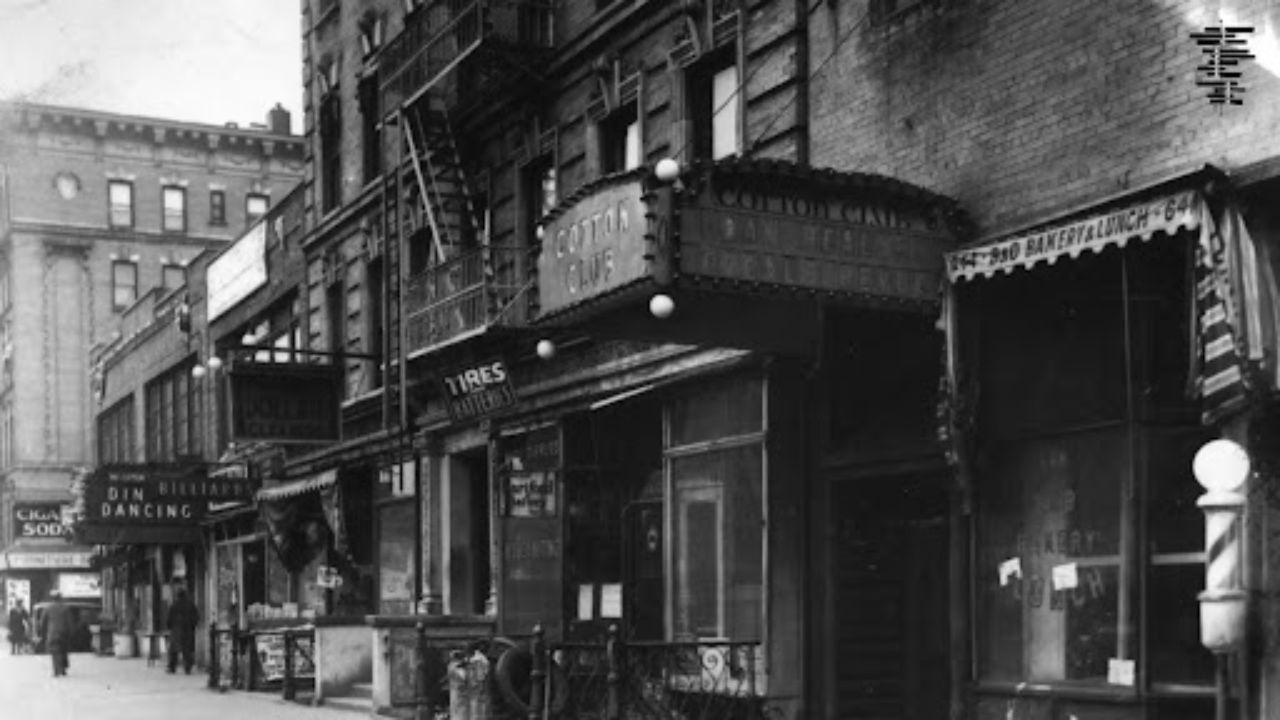
Jazz became a voice before it became a genre. Harlem Renaissance music reshaped jazz by turning lived Black experience into bold sound, new structure, and lasting cultural power.
That impact still guides how jazz is played, heard, and felt today.
Many people know the phrase “Harlem Renaissance” but feel unsure about what actually made the music special. Was it just a time period? Was it a few famous names? Or was it something deeper. This guide clears that up quickly, then walks through the ideas step by step, just like a friend would over a long coffee and a good record.
The Harlem Renaissance was not a trend. It was a turning point. And jazz was its loudest voice.
What Made Harlem Renaissance Music Different
Harlem in the 1920s and 1930s became a cultural engine. Black writers, painters, dancers, and musicians gathered in one place and pushed each other forward. Jazz clubs filled every block. Rent parties ran all night. Churches echoed with new harmonies. Music spilled into the streets.
Jazz already existed before this moment. But Harlem changed how it worked. Musicians stopped copying older forms and started shaping new ones. They took risks. They told stories through sound. They played for dancers, thinkers, and dreamers all at once.
This was not background music. It was a statement.
Legacy 1: Jazz Became a Form of Cultural Identity
Harlem Renaissance music gave jazz a clear voice tied to Black life in America. Before this era, jazz was often treated as novelty entertainment. Harlem musicians turned it into cultural expression.
Songs reflected joy, struggle, humor, faith, and survival. Blues notes bent with feeling. Rhythms pulled from church, work songs, and street parades. Every sound carried history.
This mattered because it changed how audiences listened. Jazz was no longer just something to dance to. People began listening to it because of what it expressed, not just how it sounded.
Key shifts from this legacy include:
- Music that reflected real Black experiences
- Lyrics and melodies shaped by community life
- Jazz seen as art, not just entertainment
This identity still defines jazz today.
Legacy 2: Harlem Renaissance Musicians Redefined Performance
Live performance changed during this era. Harlem clubs demanded energy, personality, and connection. Musicians had to hold a room, not just play notes.
Bandleaders like Duke Ellington shaped entire moods through sound. Performers dressed sharp, spoke through their instruments, and built tension with silence as much as volume.
Crowds responded in real time. A strong solo could stop conversation. A weak one could clear the floor. This pushed musicians to grow fast.
This legacy shows up in:
- Expressive solos that tell a story
- Call and response between band and audience
- Performers developing personal sound
Modern jazz performance still follows these rules.
Legacy 3: Harlem Renaissance Songs Expanded Musical Structure
Jazz during the Harlem Renaissance broke musical limits. Standard song forms stretched. Arrangements grew complex. Improvisation became central.
Instead of repeating simple patterns, musicians layered sound. Horn sections spoke to each other. Rhythm sections drove movement forward. Solos explored emotion rather than speed.
Many Harlem Renaissance songs introduced ideas that became jazz basics later on.
Those ideas include:
- Extended improvisation sections
- Complex chord progressions
- Strong role of the rhythm section
This period taught jazz how to evolve without losing its roots.
Legacy 4: Jazz Became a Social Space
Harlem Renaissance music created shared spaces. Clubs like the Cotton Club, Savoy Ballroom, and Small’s Paradise became meeting points for artists, locals, and visitors.
These were not quiet concert halls. They were living rooms for the neighborhood. People danced, argued, flirted, and listened closely.
Music shaped social life. It brought people together across class lines. It sparked conversation. It allowed freedom in a world that offered little of it.
This legacy lives on through:
- Jazz clubs as community hubs
- Music tied to nightlife and social ritual
- Shared listening experiences
Jazz still thrives best when heard live and together.
Legacy 5: Harlem Renaissance Music Influenced Future Genres
The sound that grew in Harlem did not stay there. It traveled. Swing, bebop, rhythm and blues, and even early rock carried its DNA.
Musicians who grew up listening to Harlem Renaissance musicians took those ideas and pushed them further. Faster tempos. Sharper harmonies. New forms of expression.
This influence can be traced through:
- Swing bands of the 1930s and 1940s
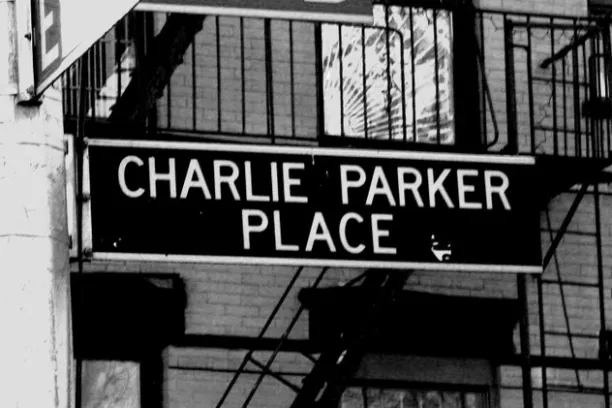
- Bebop innovators like Charlie Parker
- Modern jazz composition
Even today’s jazz playlists echo choices made during this era.
Legacy 6: Harlem Renaissance Music Preserved History Through Sound
Written history often leaves gaps. Music fills them. Harlem Renaissance music captured stories that never made textbooks.
Lyrics spoke about migration, city life, love, and loss. Instrumentals carried emotion without words. Together, they formed a record of lived experience.
This matters because sound lasts. A song can cross generations intact. A feeling can survive long after facts fade.
This legacy ensures that:
- Cultural memory stays alive
- Stories remain accessible
- History can still be felt
Listening becomes an act of learning.
Key Harlem Renaissance Musicians to Know
Some names appear again and again for good reason. These artists shaped the era and its sound.
Important Harlem Renaissance musicians include:
- Duke Ellington
- Louis Armstrong
- Bessie Smith
- Fats Waller
- Coleman Hawkins
Each brought a distinct voice. Together, they built a movement.
Building a Harlem Renaissance Music Playlist
A good Harlem Renaissance music playlist balances mood and history. It should include vocal and instrumental tracks. Slow blues and lively swing both matter.
When choosing songs, think about flow. Start soft. Build energy. End with something memorable.
A strong playlist often includes:
- Big band arrangements
- Blues influenced vocals
- Early swing tracks
Sample Harlem Renaissance Music Playlist
This sample playlist reflects key sounds from the era without overwhelming new listeners.
- Duke Ellington – “Mood Indigo”
A slow, atmospheric piece that sets the tone and shows Ellington’s orchestral approach. - Bessie Smith – “Backwater Blues”
A powerful blues vocal that captures emotion and lived experience. - Louis Armstrong – “West End Blues”
A landmark recording that highlights early jazz soloing and expression. - Fats Waller – “Ain’t Misbehavin’”
Playful, rhythmic, and deeply tied to Harlem nightlife. - Duke Ellington – “It Don’t Mean a Thing (If It Ain’t Got That Swing)”
A turning point song that helped define swing as a movement. - Cab Calloway – “Minnie the Moocher”
Energetic and theatrical, reflecting the call-and-response club culture of the time.
Why This Era Still Matters Today
It is fair to ask. Why does music from nearly a century ago still matter? The answer is simple. Many creative freedoms enjoyed today were earned then.
This era proved that jazz could grow, adapt, and speak truth. It showed that art shaped by real life resonates longer.
If jazz today feels personal, expressive, and alive, Harlem made it that way. Big Apple Jazz private tours help bring that history to life. Expert guides lead you to hidden jazz clubs, historic streets, and lesser-known venues. You hear the music where it belongs. The past feels close, real, and unforgettable.
Experiencing Harlem Renaissance Music Through Big Apple Jazz
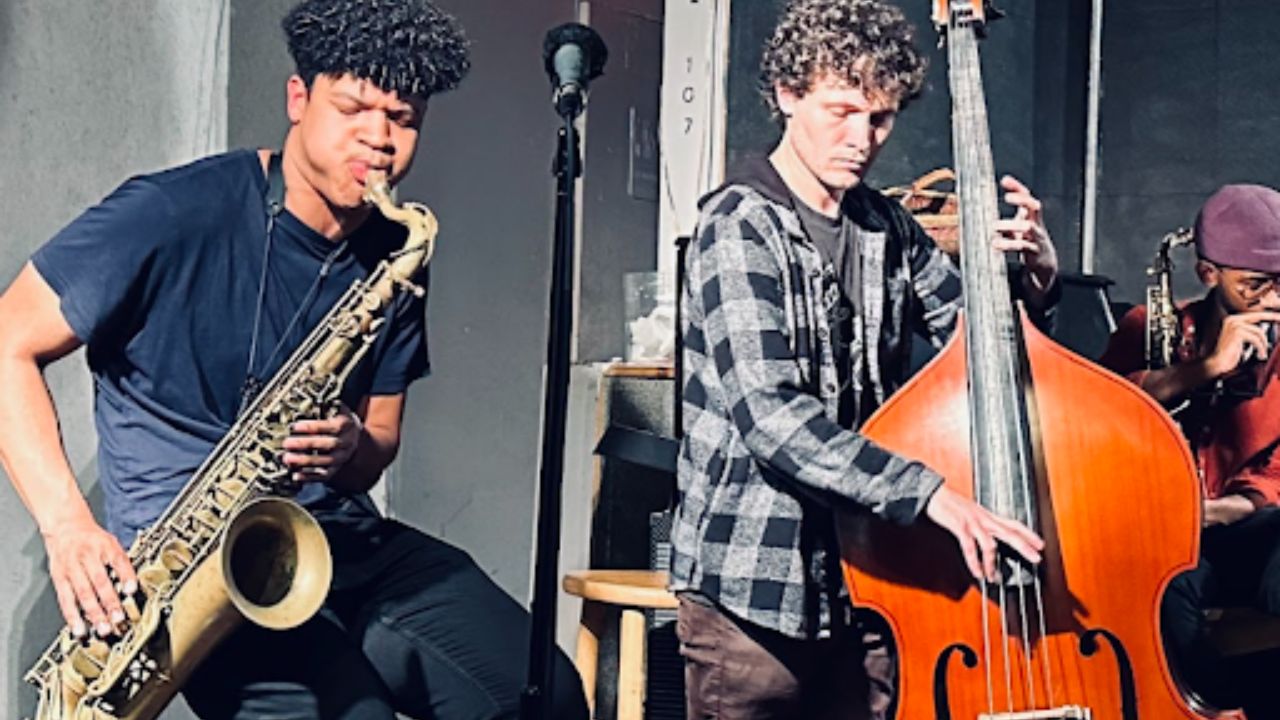
Reading about Harlem Renaissance music builds knowledge. Hearing it live builds understanding. Big Apple Jazz places this music back into the neighborhoods where it first took shape. The experience connects sound, history, and setting in a way written sources cannot fully capture.
Big Apple Jazz offers guided jazz tours led by experts who understand New York’s musical roots. Each tour is shaped around live performances happening that night, not fixed scripts. Guests walk through Harlem and other historic areas, listen to working musicians, and hear stories tied to real streets and venues. This reflects how Harlem Renaissance musicians created music as part of daily life, not as staged history.
These tours help explain why Harlem Renaissance music still matters today. Big band rhythms, blues phrasing, and swing structures become clearer when heard live. The music feels present and evolving, just as it did during the Renaissance years. For anyone curious about jazz’s lasting influence, this kind of experience turns learning into something felt, not just remembered.
Conclusion
Harlem Renaissance music did more than create great jazz. It changed how music carries meaning. It gave sound a role in identity, memory, and culture.
Those six legacies still echo in every improvisation and late night set. And they raise a quiet question worth sitting with.
When listening to jazz today, how much of Harlem can still be heard in the notes?